Quantum Computing

Quantum advantage may be real — but it’s often overstated

×
File 1
Main Paper
File 2
A companion paper that shows DCPC’s advantage is real, bounded, and testable by identifying the cost crossover that determines when delayed commitment wins.
View

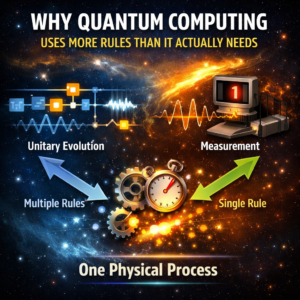
Why Quantum Computing Uses More Rules Than It Actually Needs

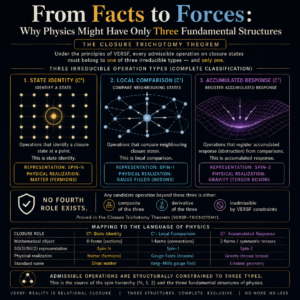
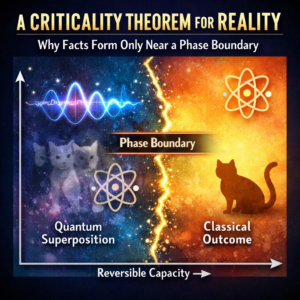
A Criticality Theorem for Reality: Why Facts Form Only Near a Phase Boundary

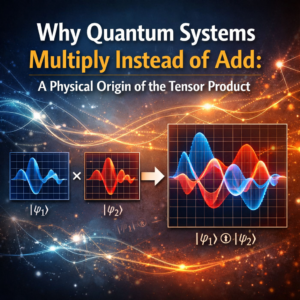
Why Quantum Systems Multiply Instead of Add: A Physical Origin of the Tensor Product

×
File 1
Main Paper
File 2
Supplementary Paper on Entanglement Physics
View

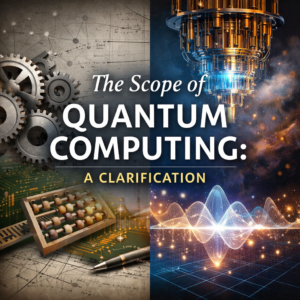
The Scope of Quantum Computing: A Clarification

The Physical Admissibility Framework (PAF): Finite Distinguishability, Irreversible Commitment, and the Cost of Facts

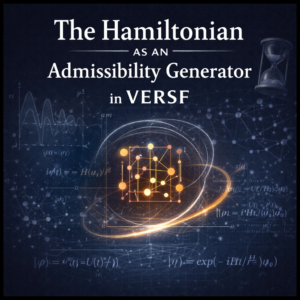
The Hamiltonian as an Admissibility Generator in VERSF

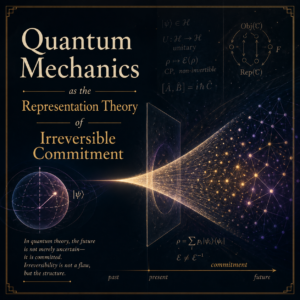
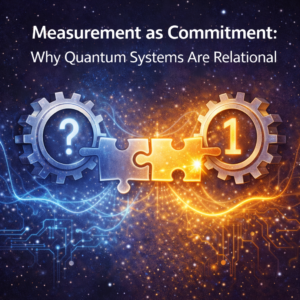
Measurement as Commitment: Why Quantum Systems Are Relational

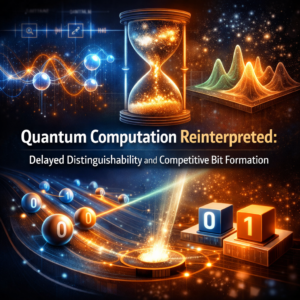
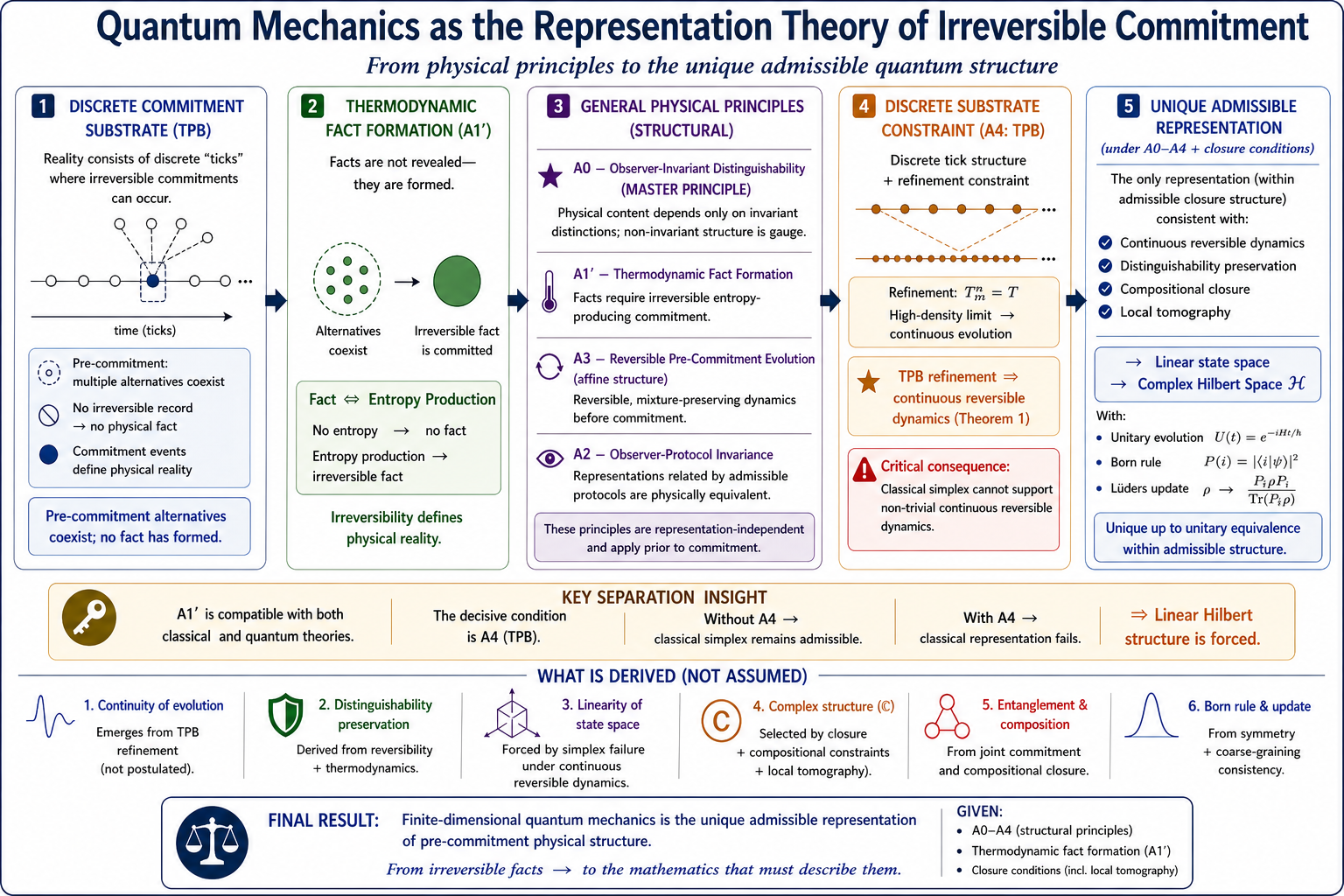
Quantum Computation Reinterpreted: Delayed Distinguishability and Competitive Bit Formation

Distinguishability: The Missing Constraint in Modern Science

It isn’t actually a Giant Computer but its laws are those of optimal computation.

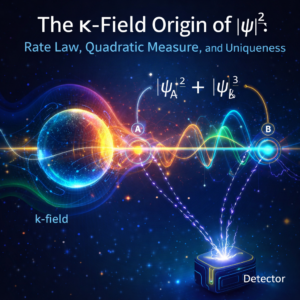
Why Quantum Randomness Might Be an Illusion!

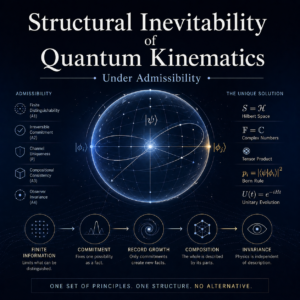
Complex Hilbert Space from Distinguishability Principles

From Entropy to Information: The Next Step in Understanding Reality

×
File 1
Main Paper
File 2
Summary Paper
View

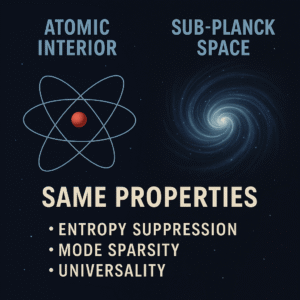
Same Rules in Two Very Different Places!

A Beginning and Infinity Don’t Mix!

Does the Universe Have a Frame Rate?

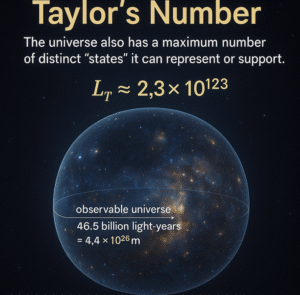
The Stable Pattern Number: Has the Universe Hit Its Creative Limit?

×
File 1
Full Paper
File 2
Summary Overview
View

The Computational Boundary of Physical Reality

All research papers and documents are licensed under a Creative Commons Attribution 4.0 International License.
Please credit the source when quoting or reusing.