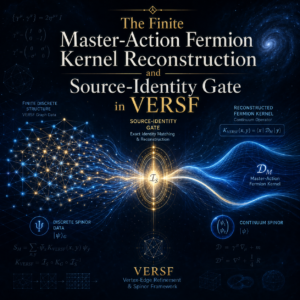
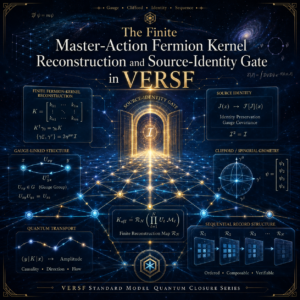
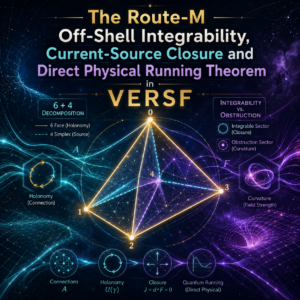
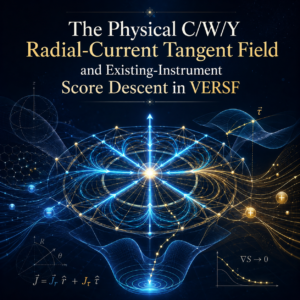
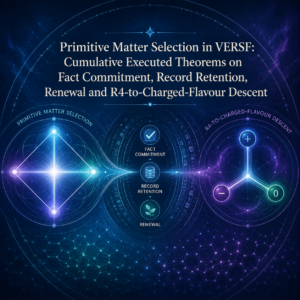
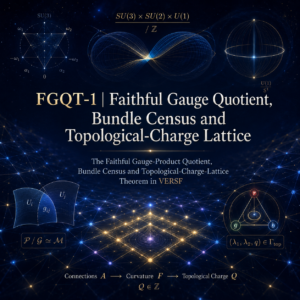
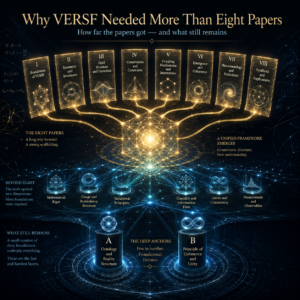
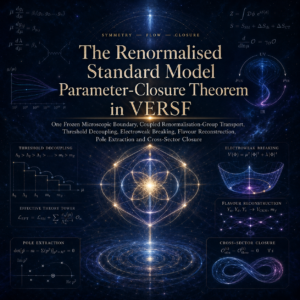
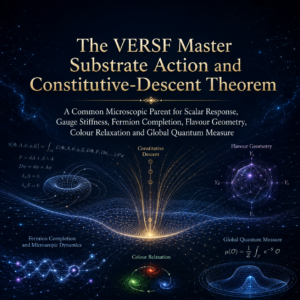
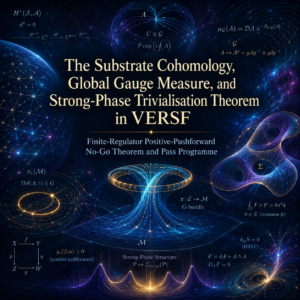
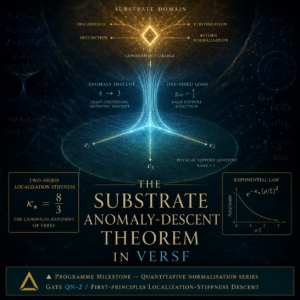
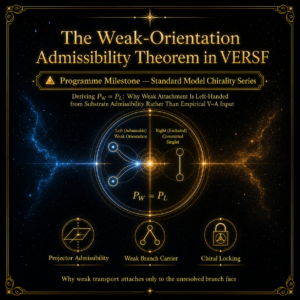
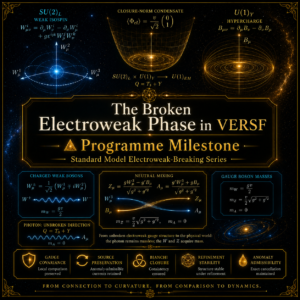
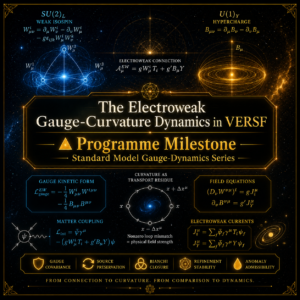
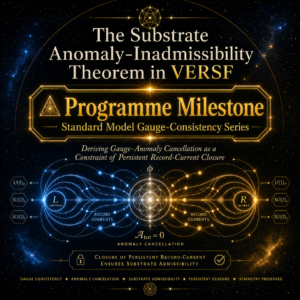
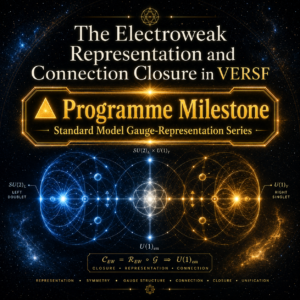
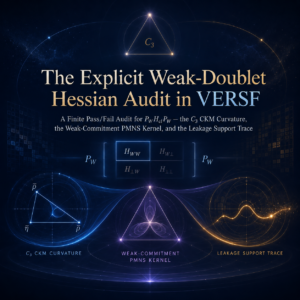
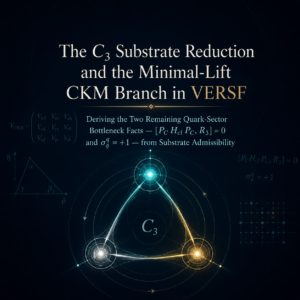
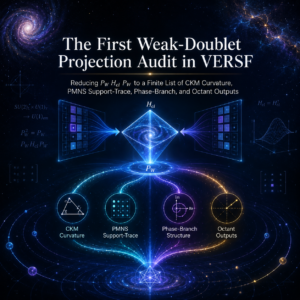
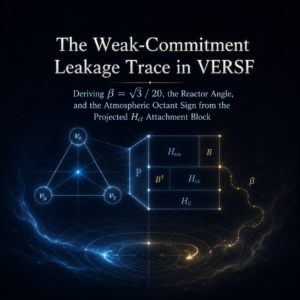
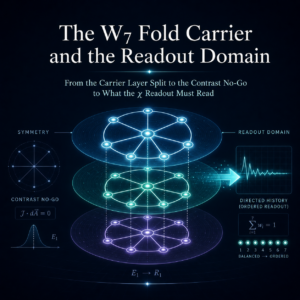
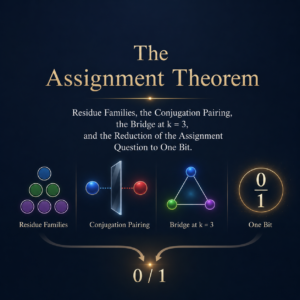
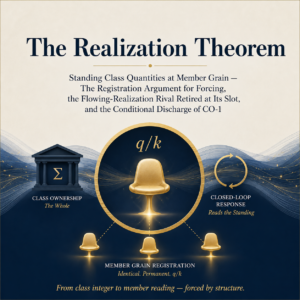
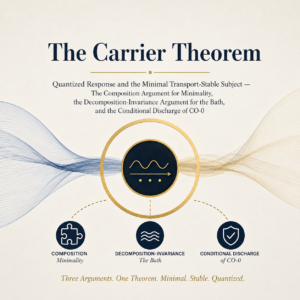
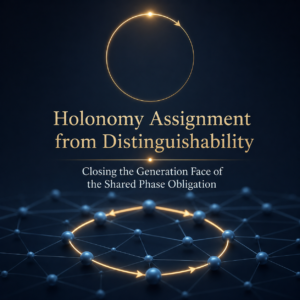
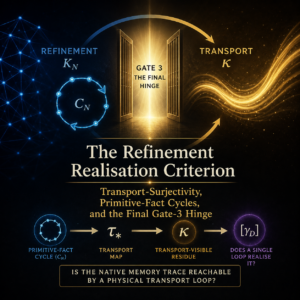
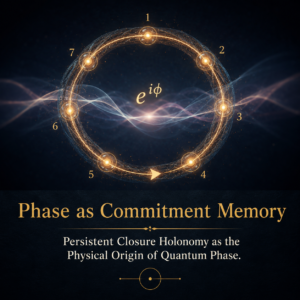
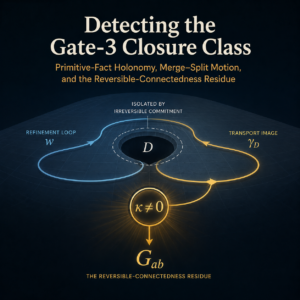
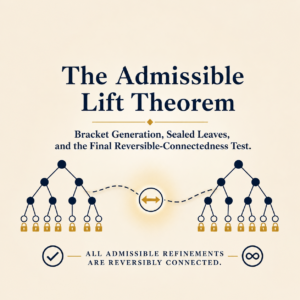
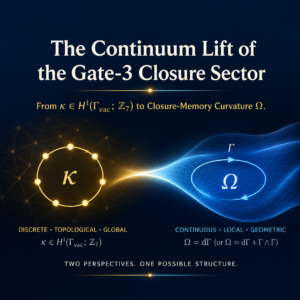
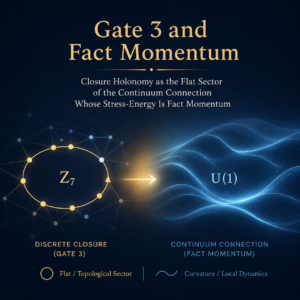
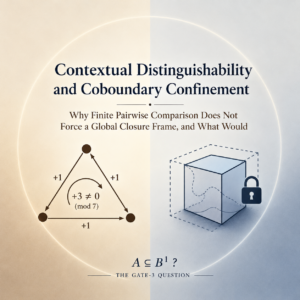
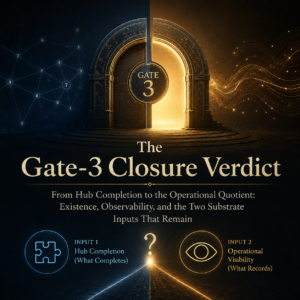
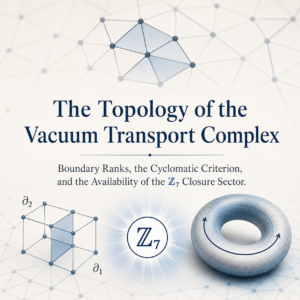
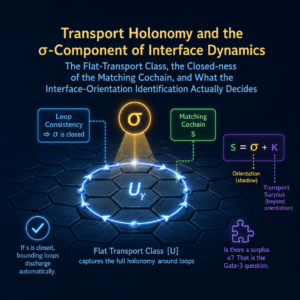
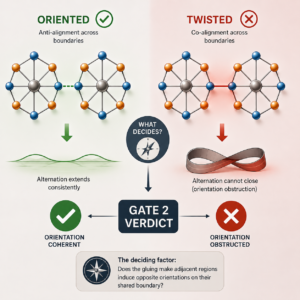
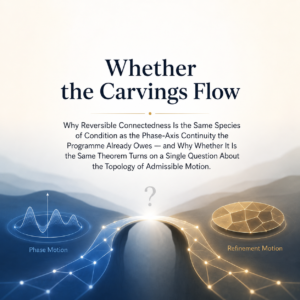
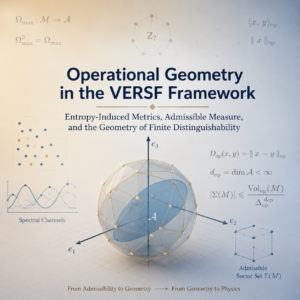
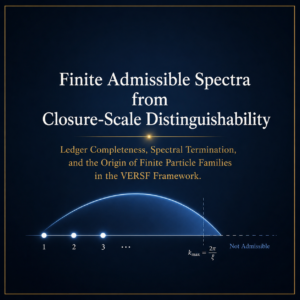
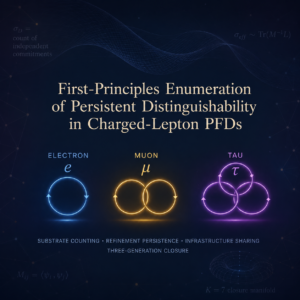
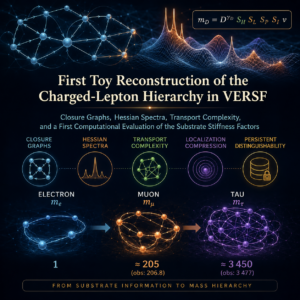
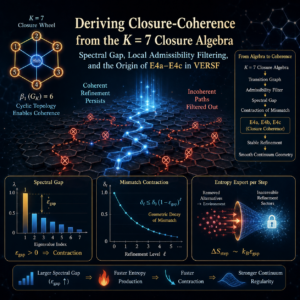
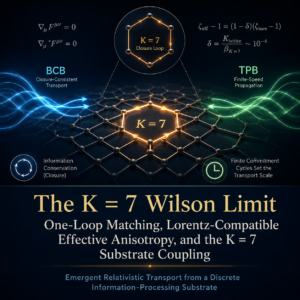
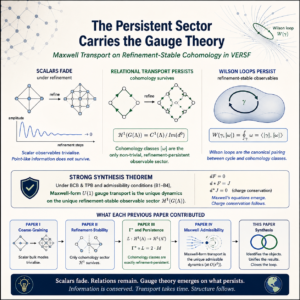
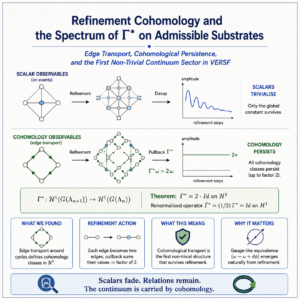
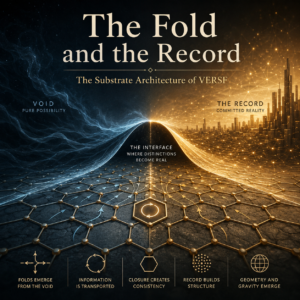
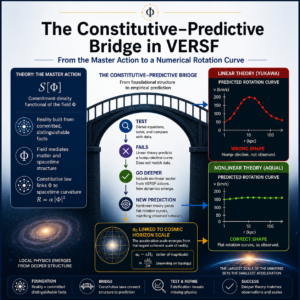
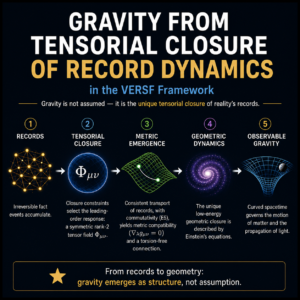
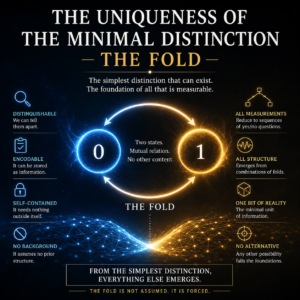
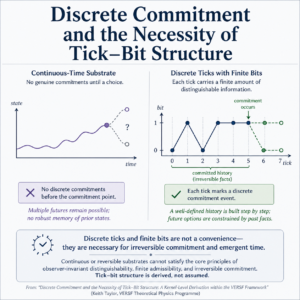
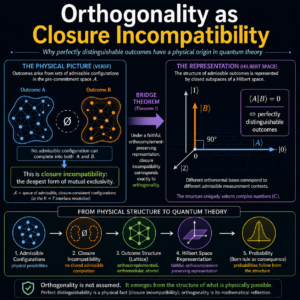
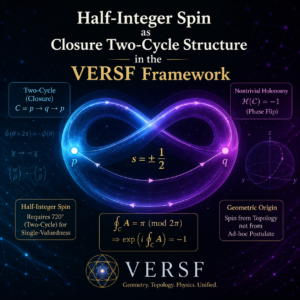
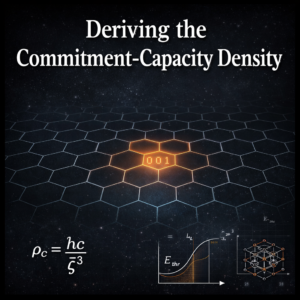
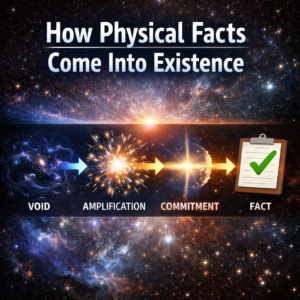
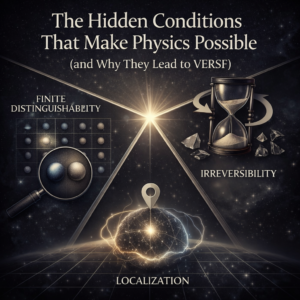
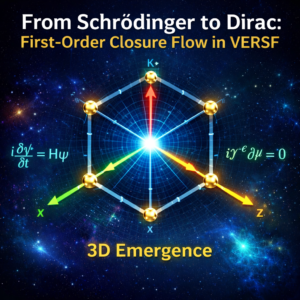
This paper establishes the local orientation-coherence condition (H-OC) and shows how the closedness of the matching cochain arises from the substrate geometry.
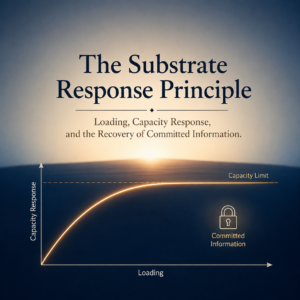
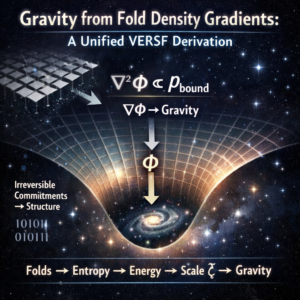
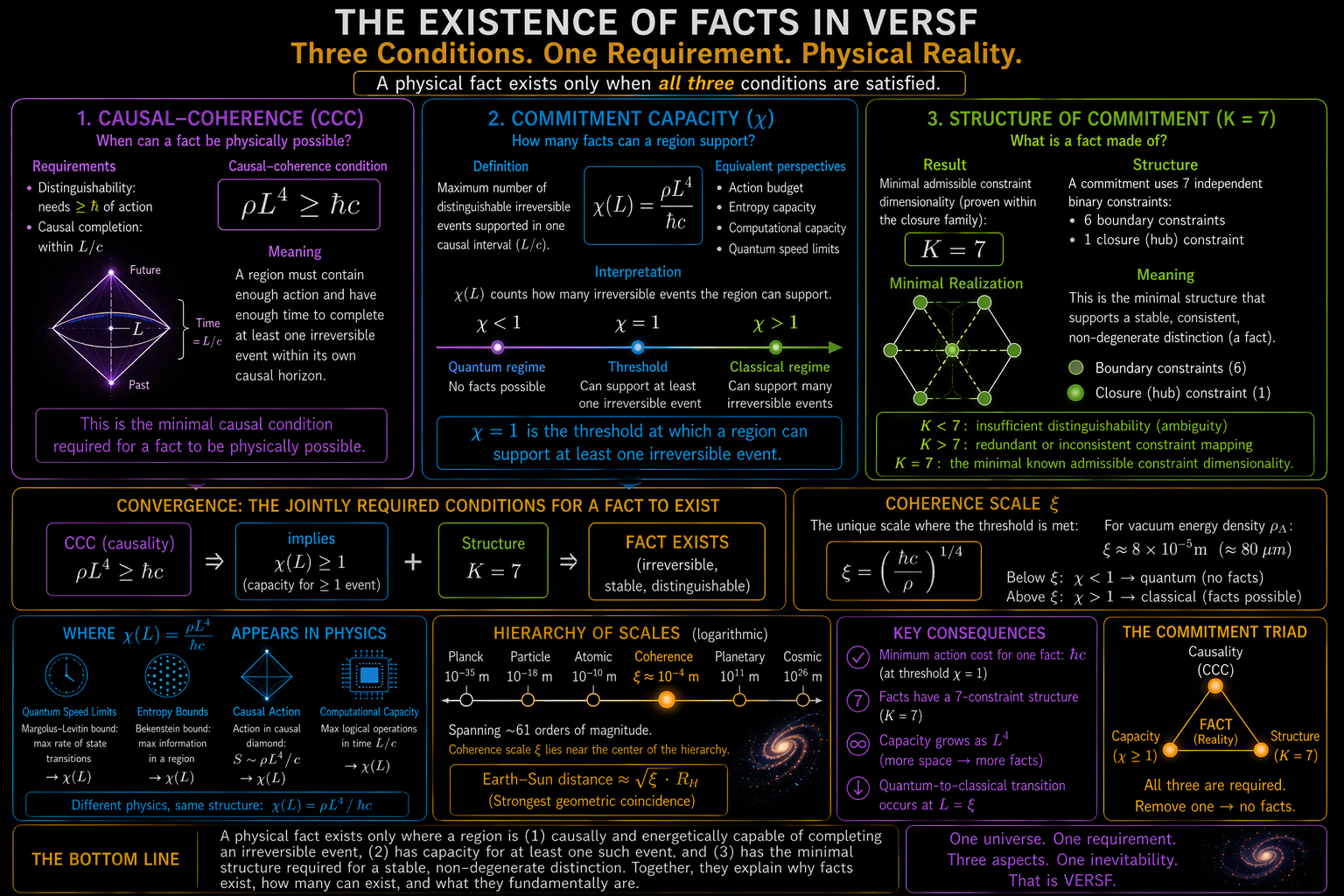
This paper shows that the same quartic quantity, χ(L) = ρL⁴/ℏc, appears across quantum mechanics, thermodynamics, computation, and gravity, suggesting a common capacity law for bounded regions of spacetime.
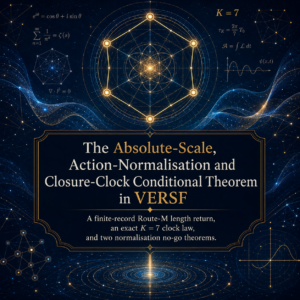
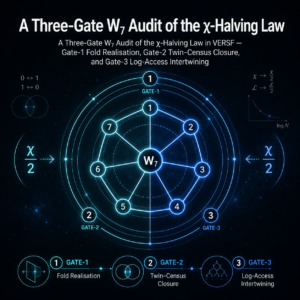
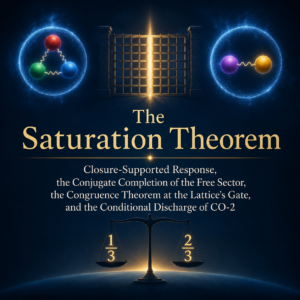
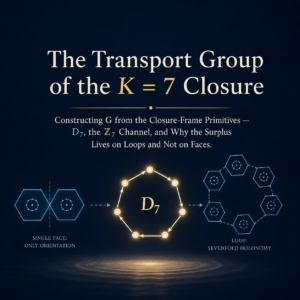
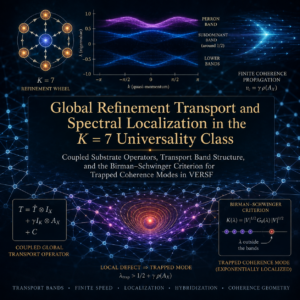
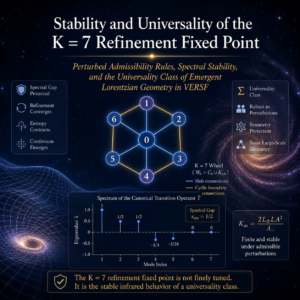
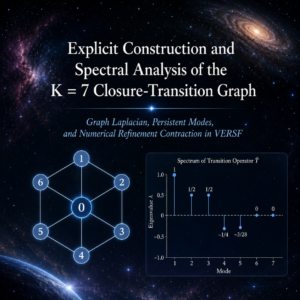
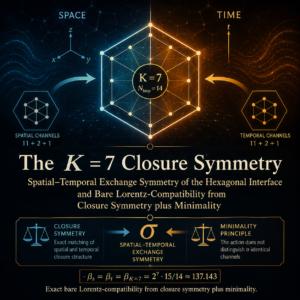
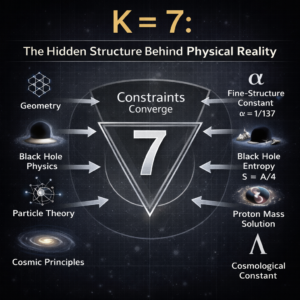
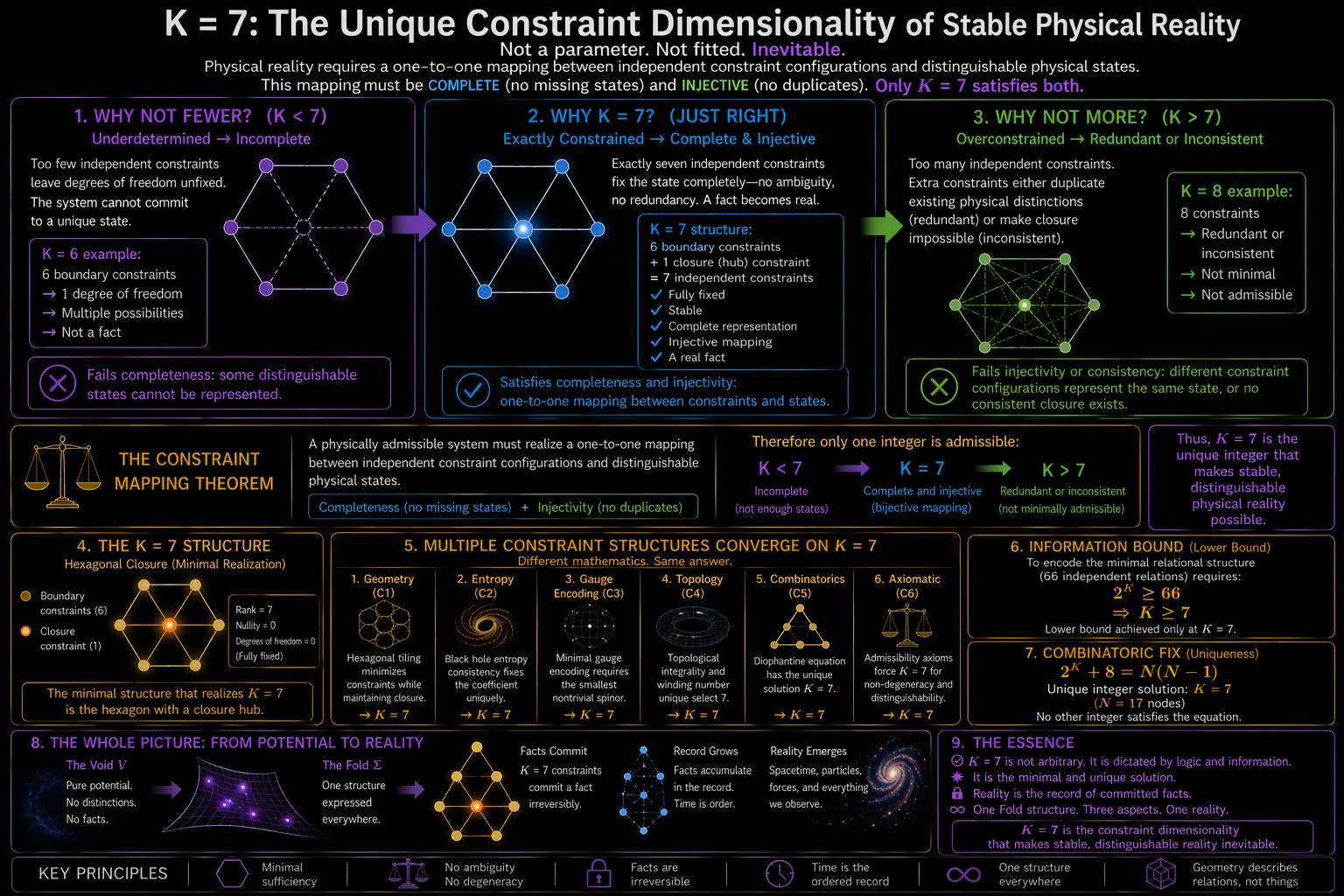
A companion analysis proving that minimal simplicial admissibility uniquely selects K = 7 and fixes the boundary entropy coefficient through null constraint reduction.
A companion paper that shows DCPC’s advantage is real, bounded, and testable by identifying the cost crossover that determines when delayed commitment wins.
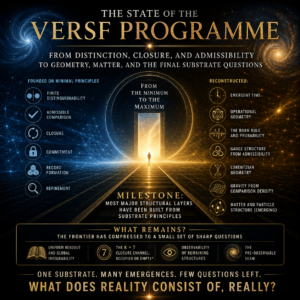
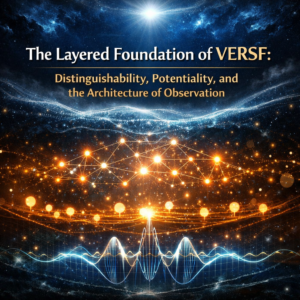
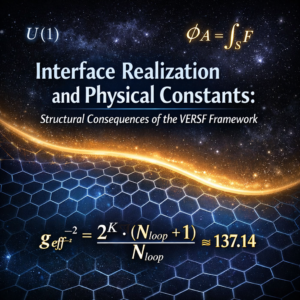
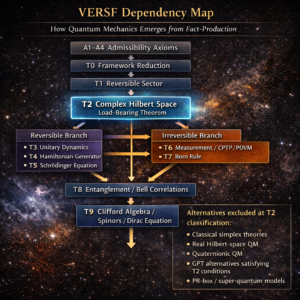
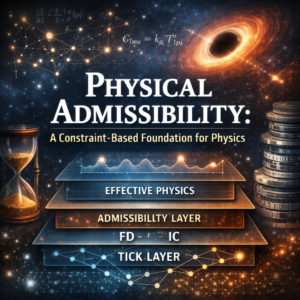
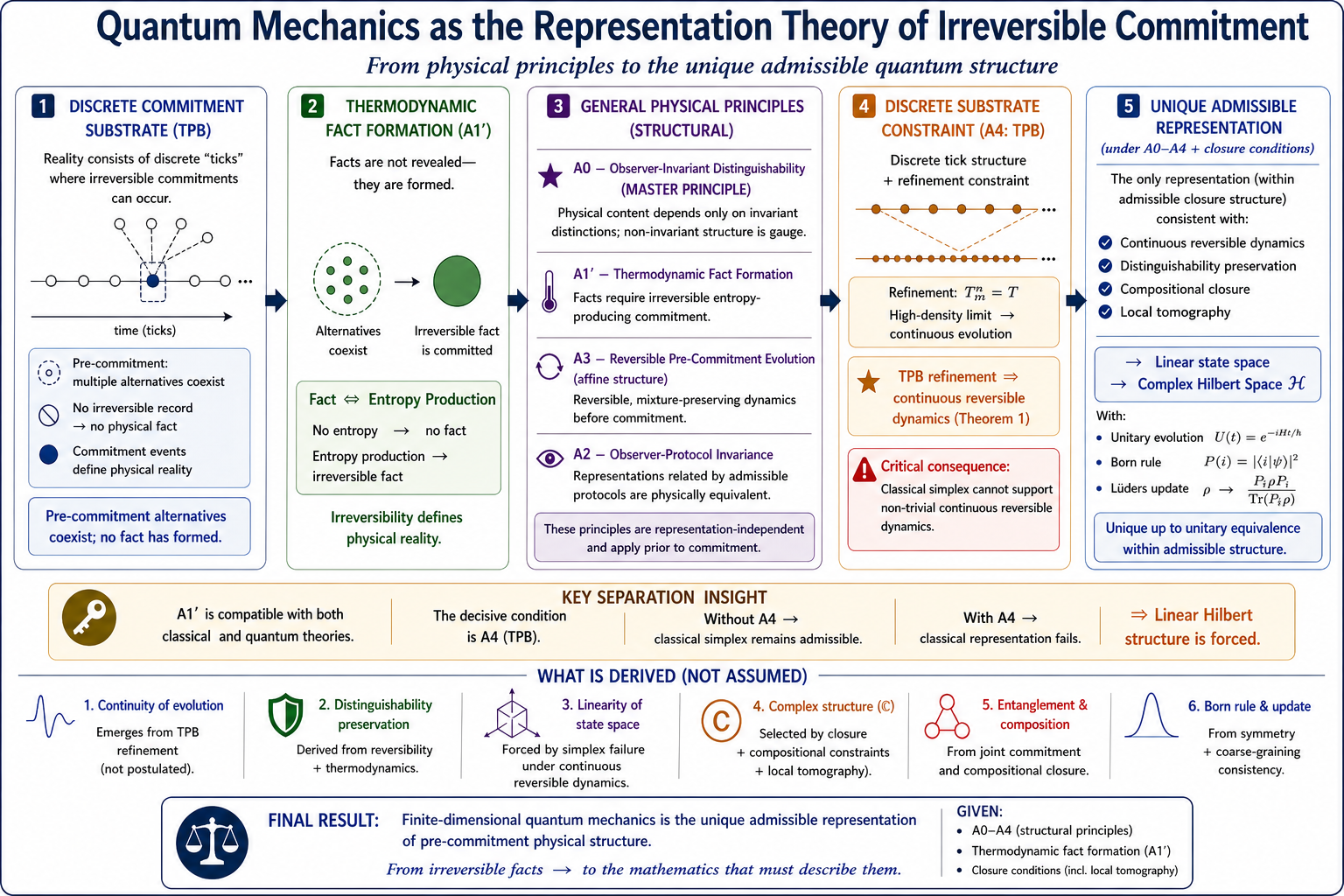
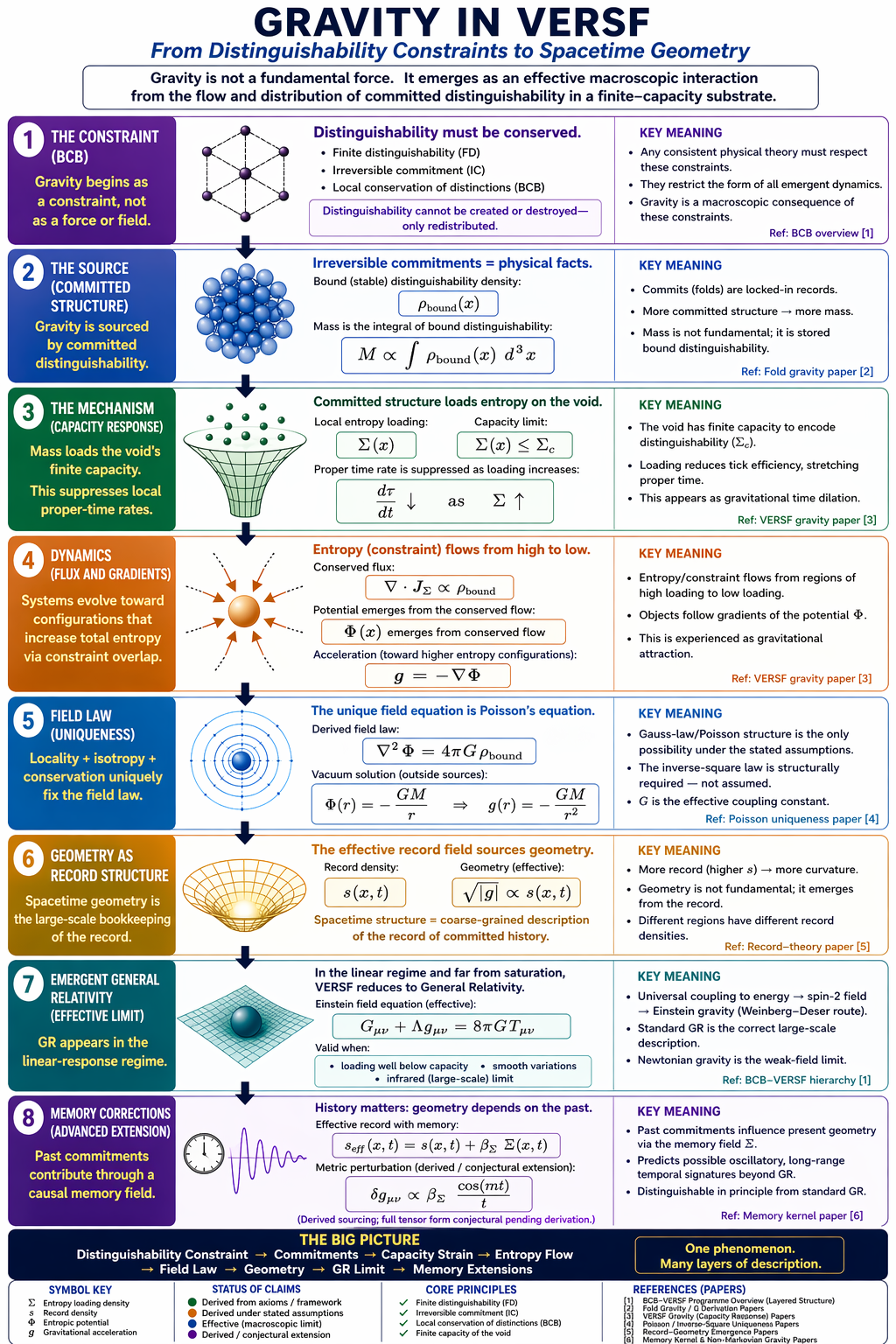
This paper clarifies the internal structure of the BCB–VERSF research programme. Multiple papers within the programme employ different formalisms—conservation laws, capacity constraints, measurement dynamics, and effective field descriptions. The purpose of this paper is to make those levels explicit, to state clearly which claims belong to which layer, and to articulate the meta-theoretic status of the foundational constraint.
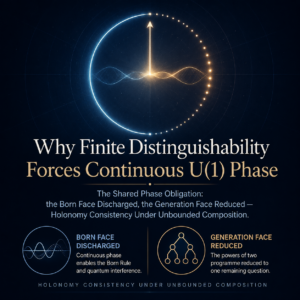
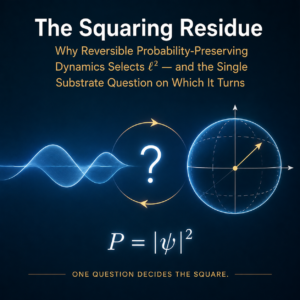
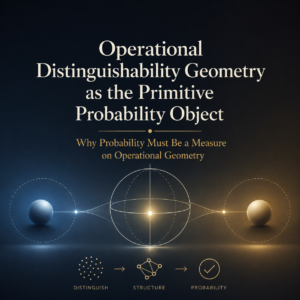
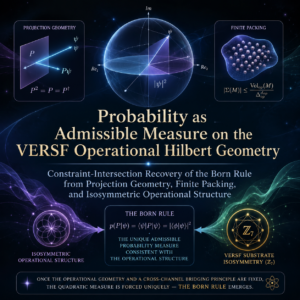
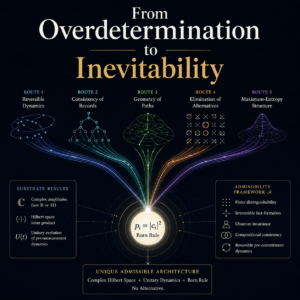
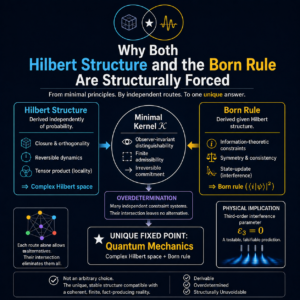
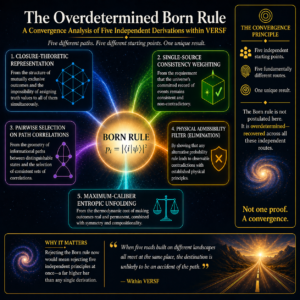
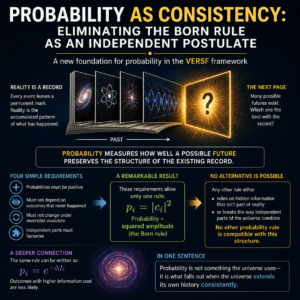
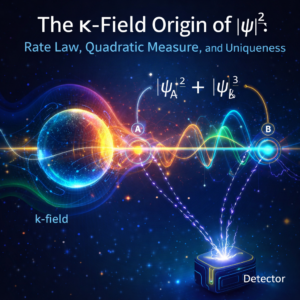
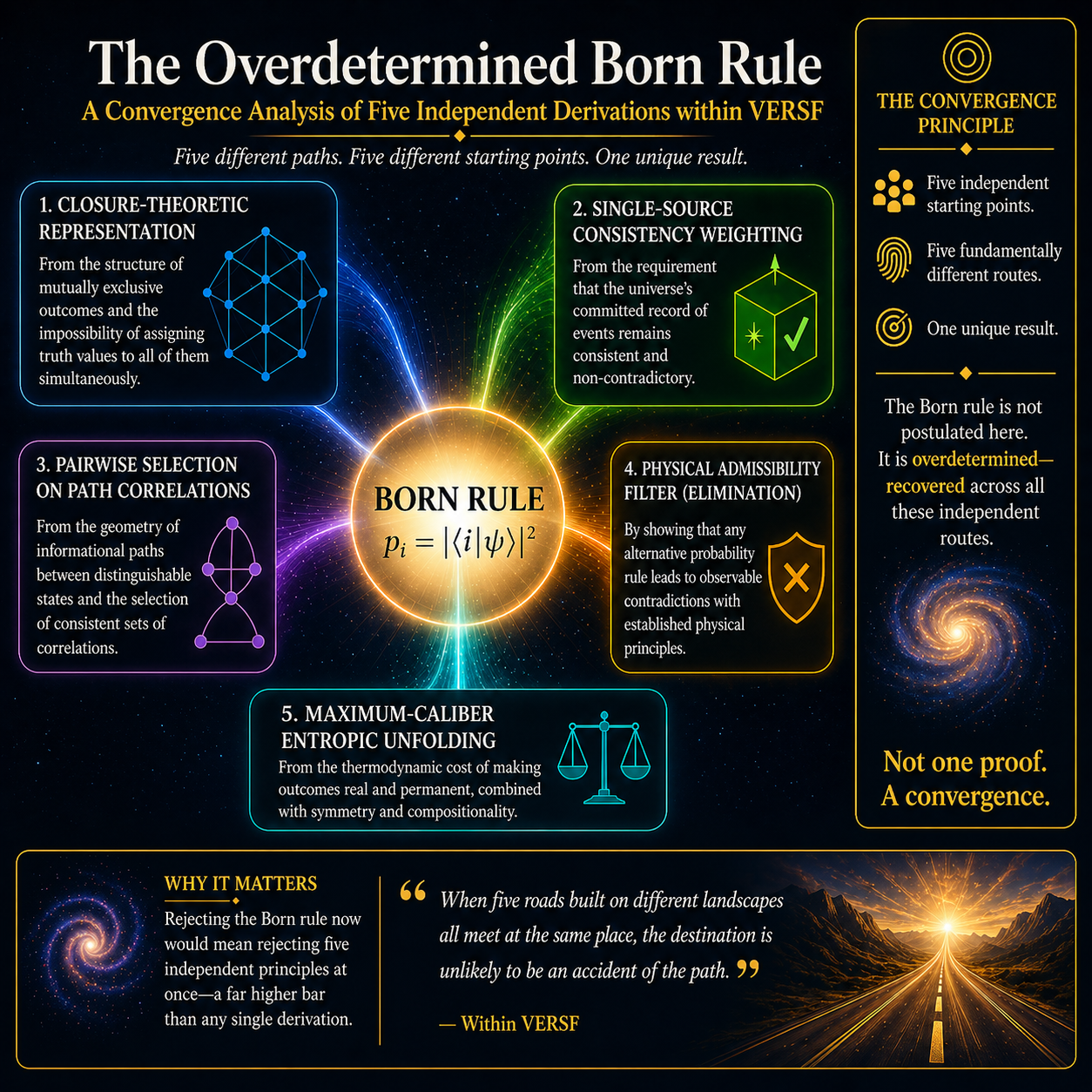
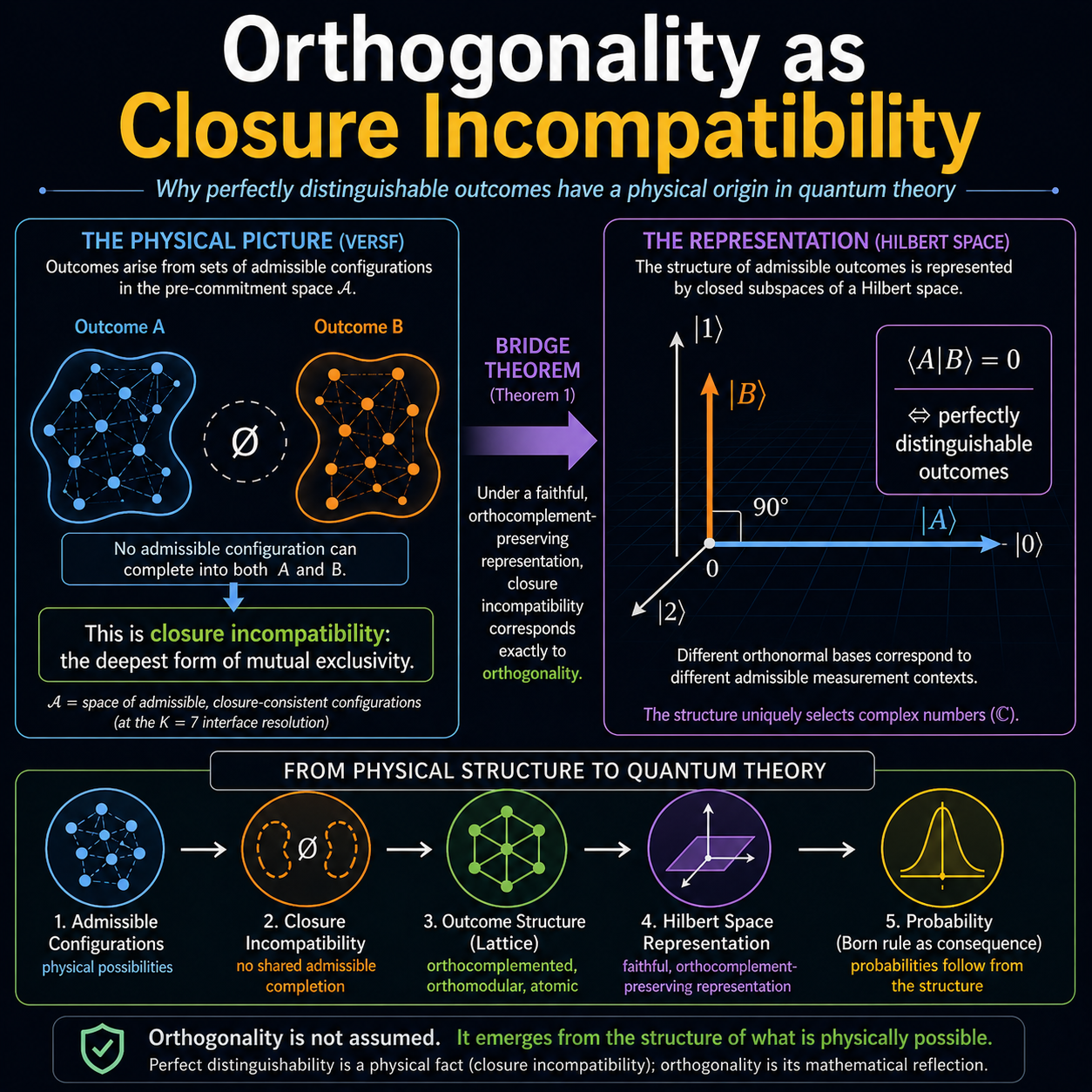
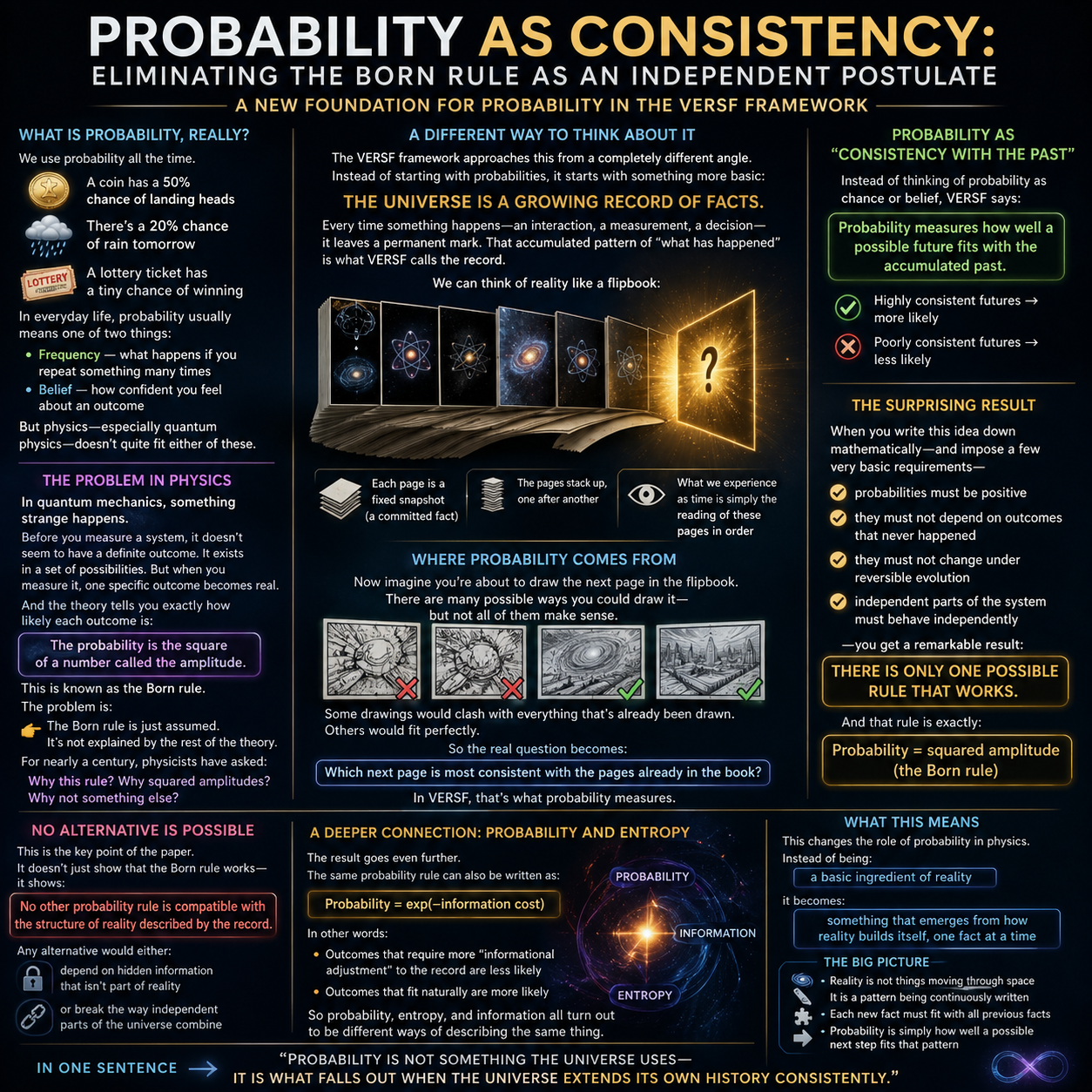
A companion paper showing that the Born rule is the unique admissible probability law forced by finite distinguishability, TPB time, and pairwise relational structure.
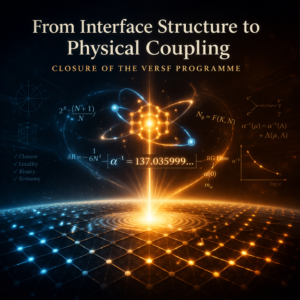
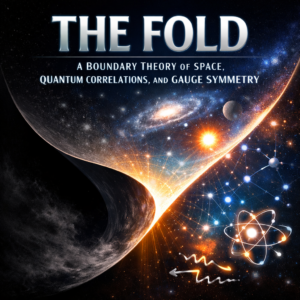
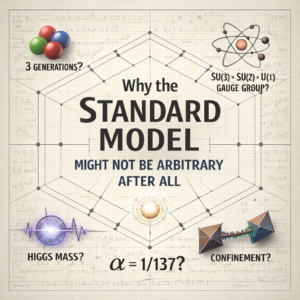
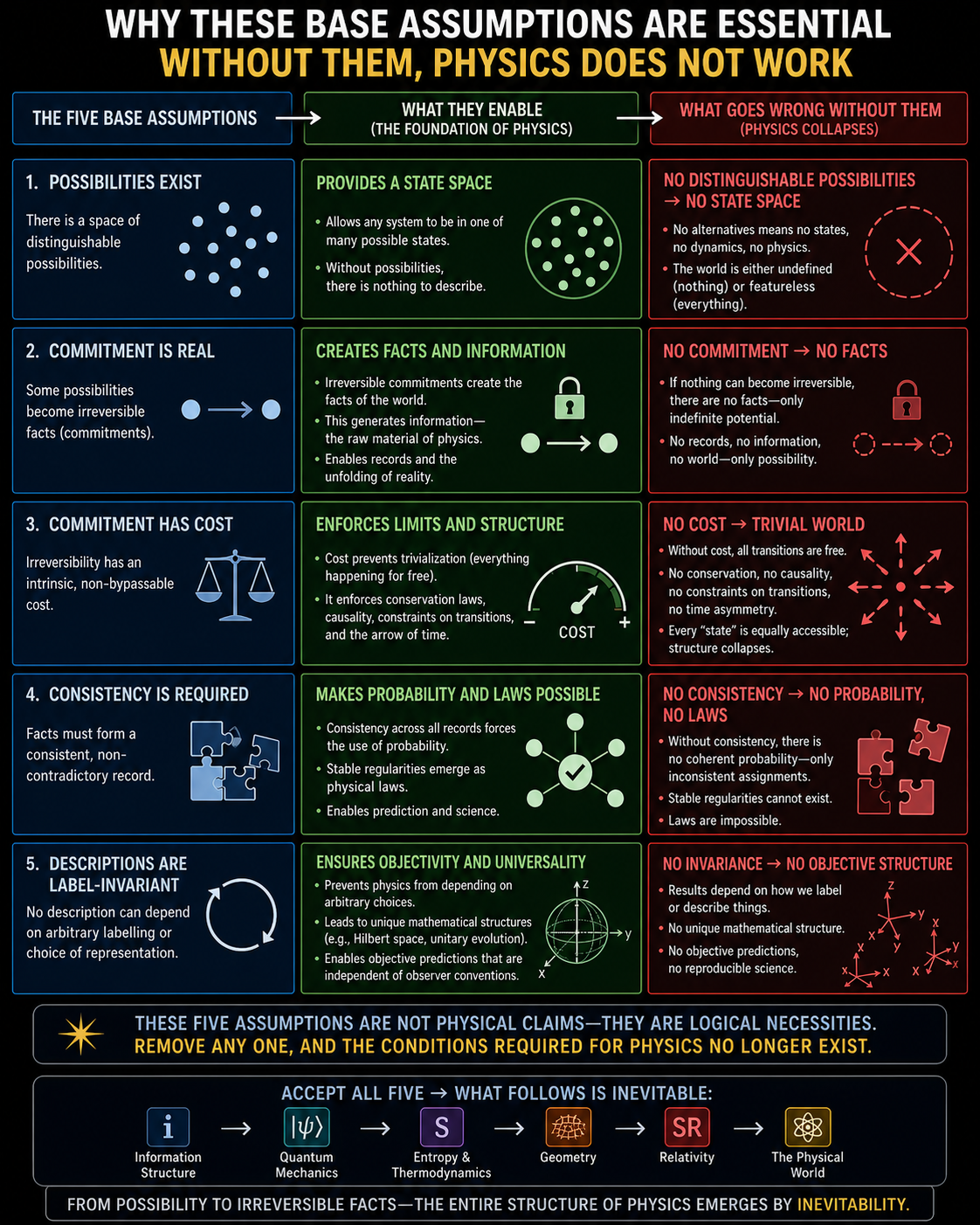
Paper III shows that the “five assumptions” behind the gauge-group result don’t compound independently—almost all the risk concentrates in GG3—and it replaces the old α gap correction with a UV–IR RG matching condition via a fold scale μ*.
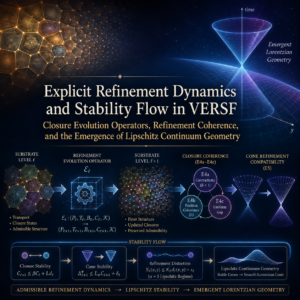
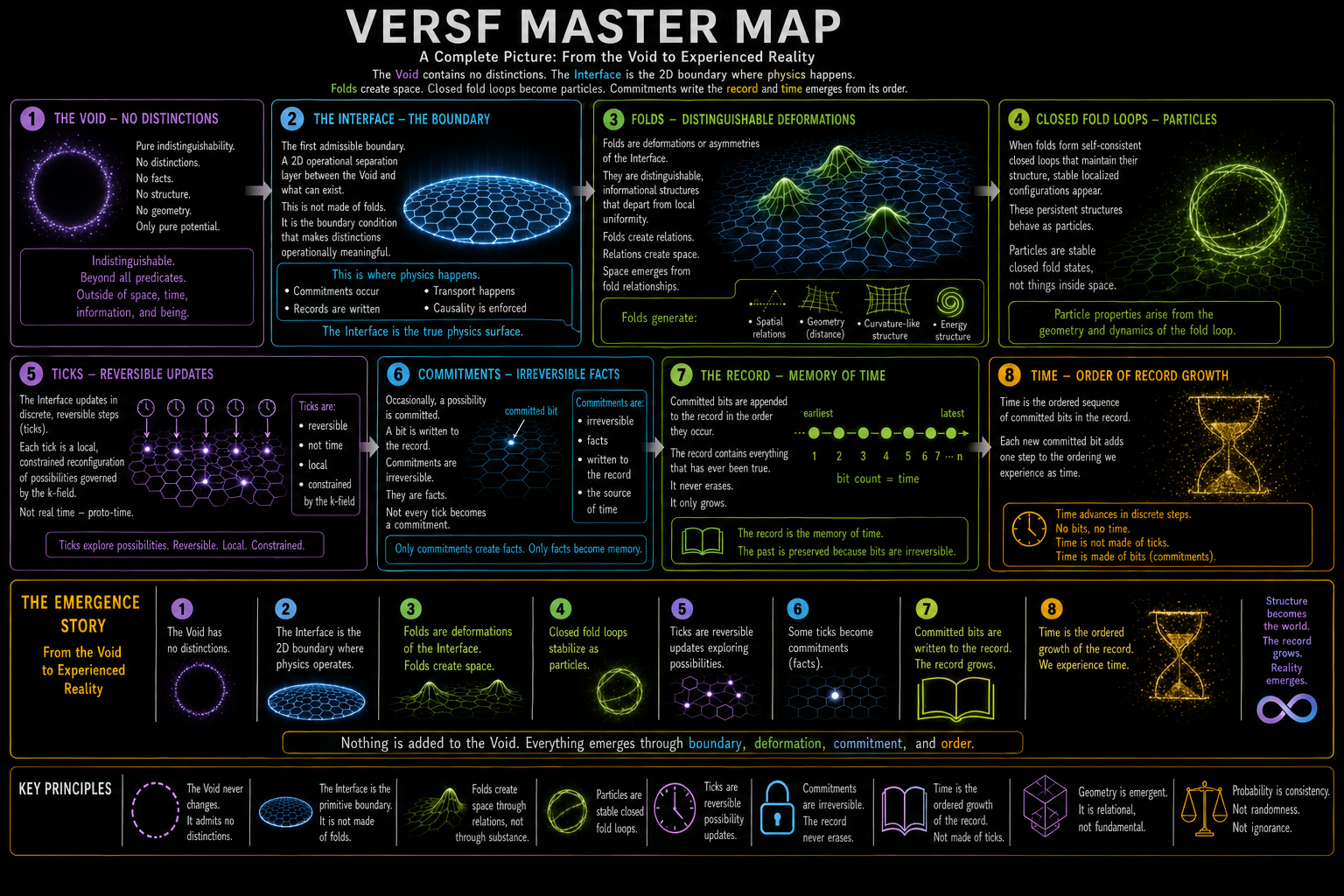
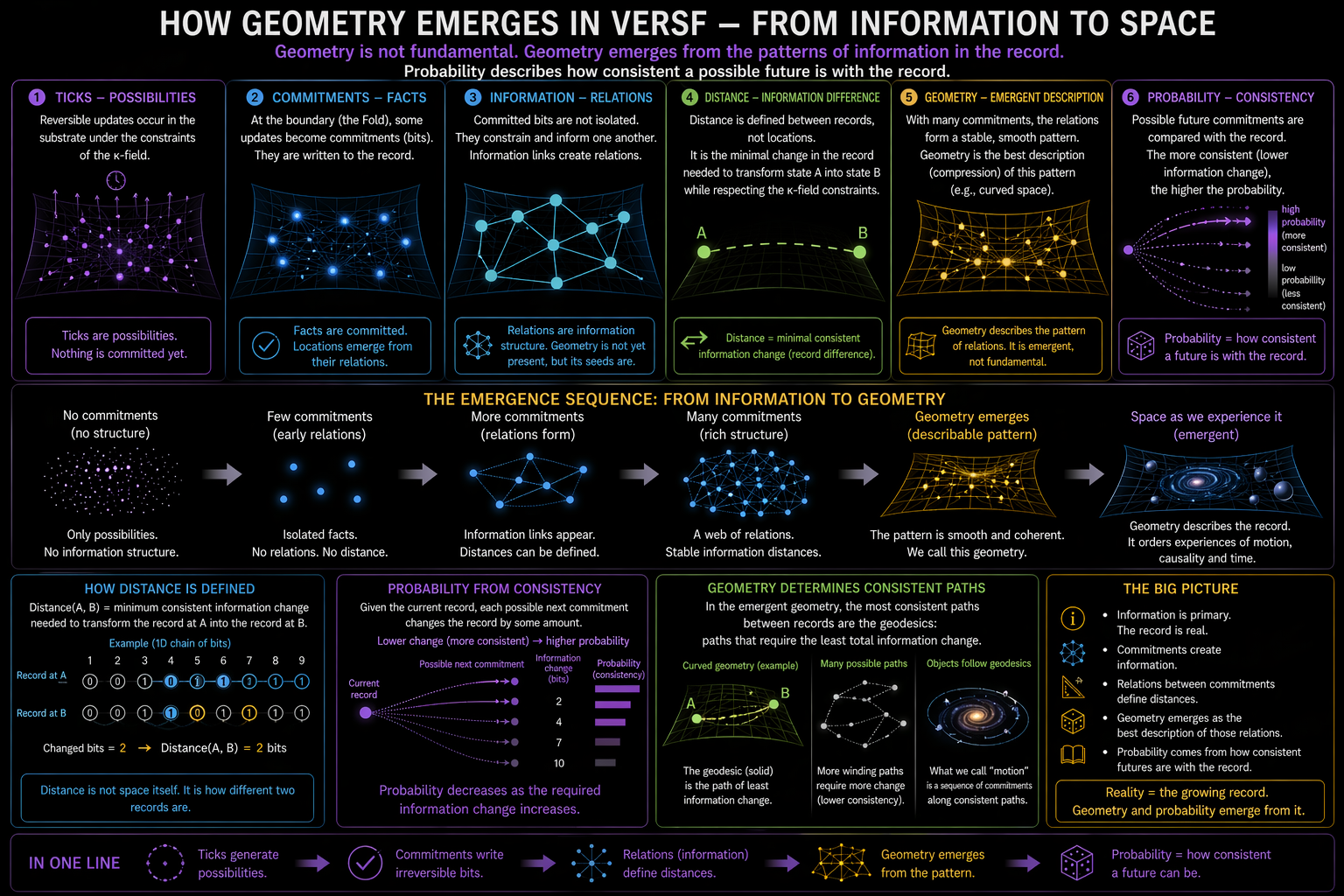
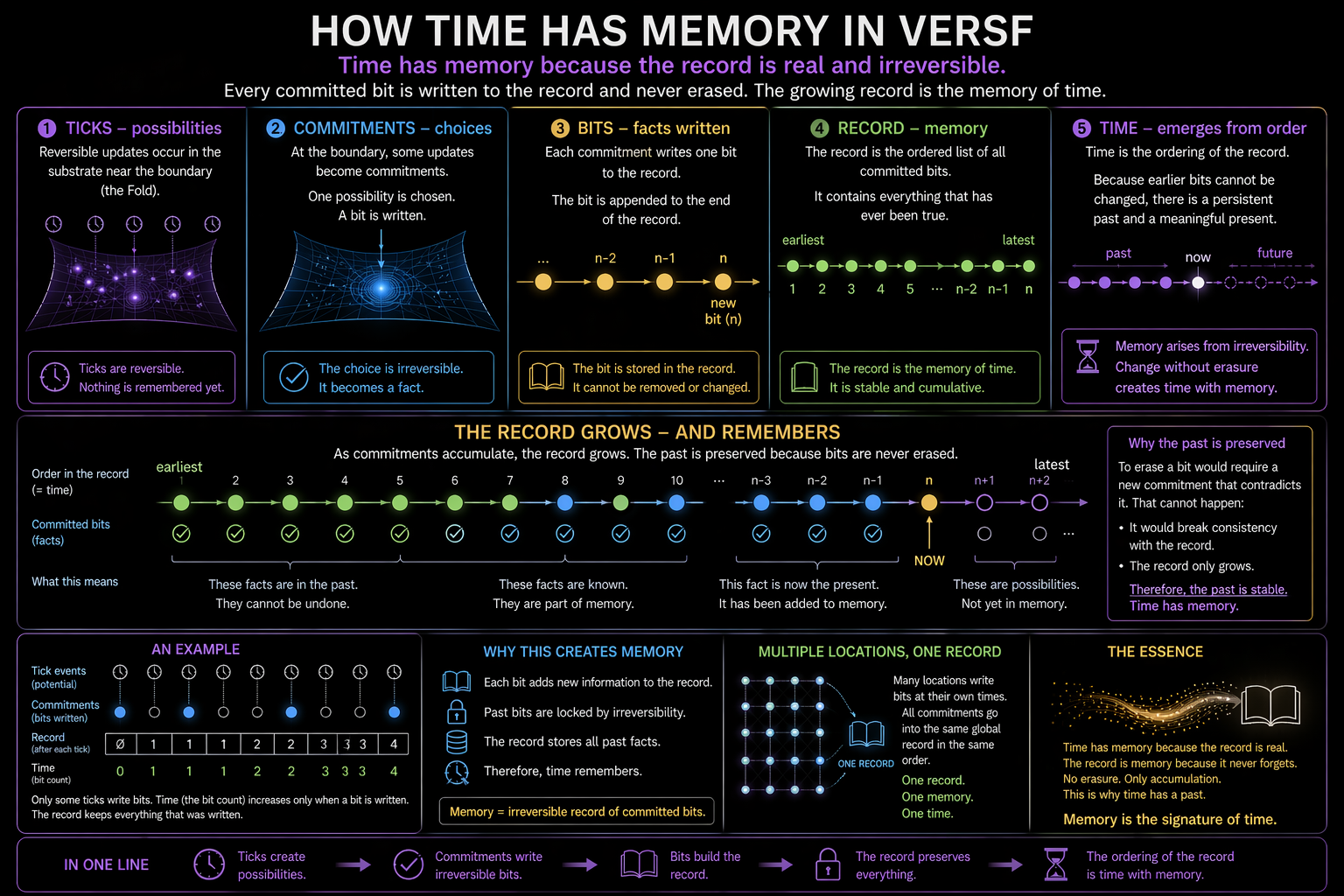
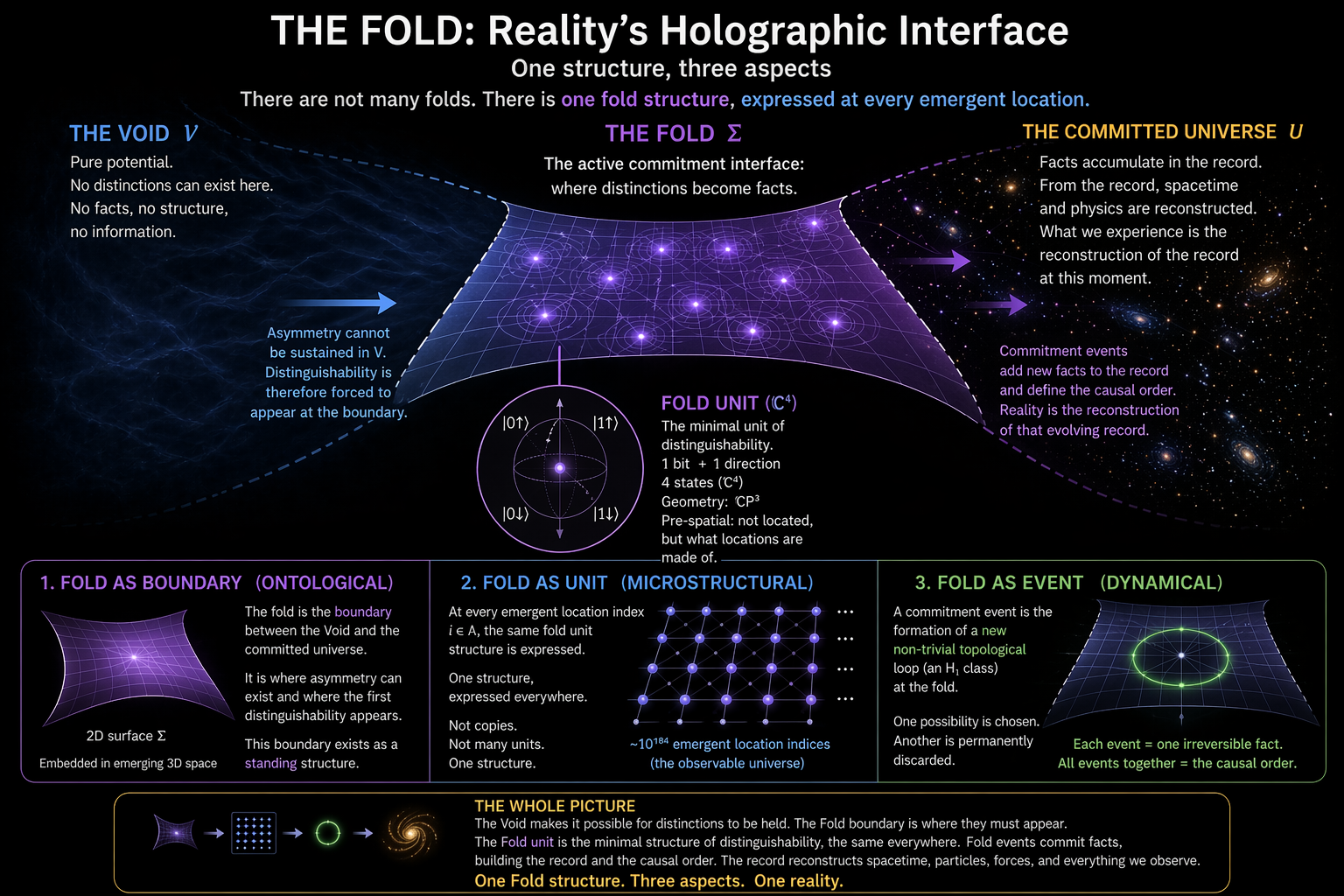
This paper supplies the missing dynamical and informational backbone of the One-Fold programme, showing why the structures are generic, stable, and quantitatively consistent rather than merely admissible.
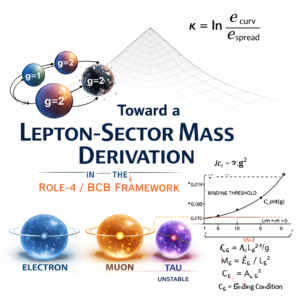
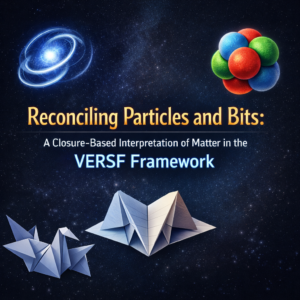
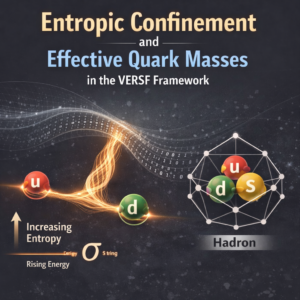
Establishes the BCB information-theoretic mass framework, deriving the bit scale and structural multiplicities that organize baryon masses, and reducing the proton mass problem to determining a single closure-depth invariant.
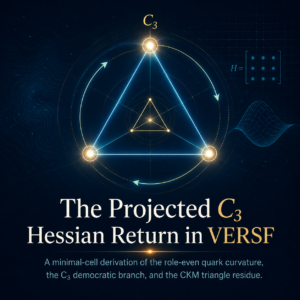
A companion paper that removes circularity by deriving the baryon closure depth N=17 N=17 from BCB+TPB constraint dynamics (mix–project contraction on a C₃-symmetric residual space), making the proton mass a derived consequence rather than an input.
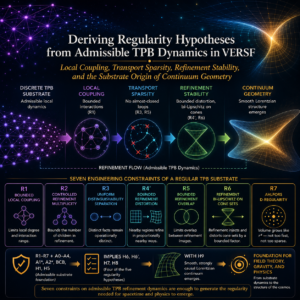
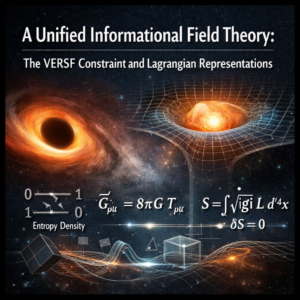
This paper precisely delimits what is rigorously derived in the entropy–scalar EFT framework from what is conjectural, clarifying parameter status, scope, and the forward research program without weakening the core result.
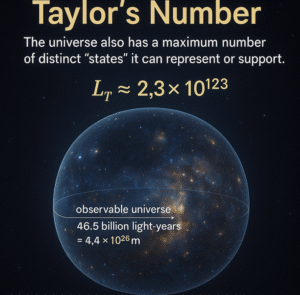
Companion Paper - To show that Taylor's Number is the holographic entropy bound reframed — and that the reframing, not the number, is where the original work is.
All research papers and documents are licensed under a Creative Commons Attribution 4.0 International License. Please credit the source when quoting or reusing.