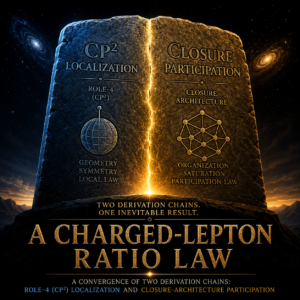
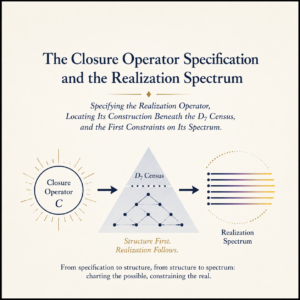
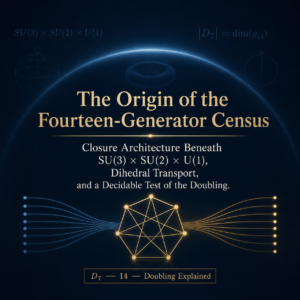
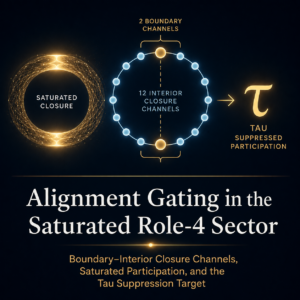
Quantum Physics

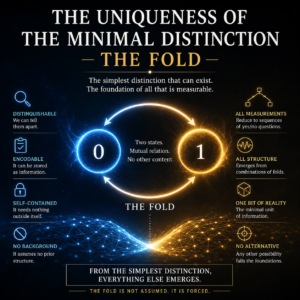
The Fold Saturates Observable Physics: Sufficiency and Observational Closure in VERSF

In a Universe Where Facts Can Exist, Where Outcomes Can Be Recorded, Remembered, and Tested, the Basic Structure Needed to Support That Is Uniquely the One Described by VERSF

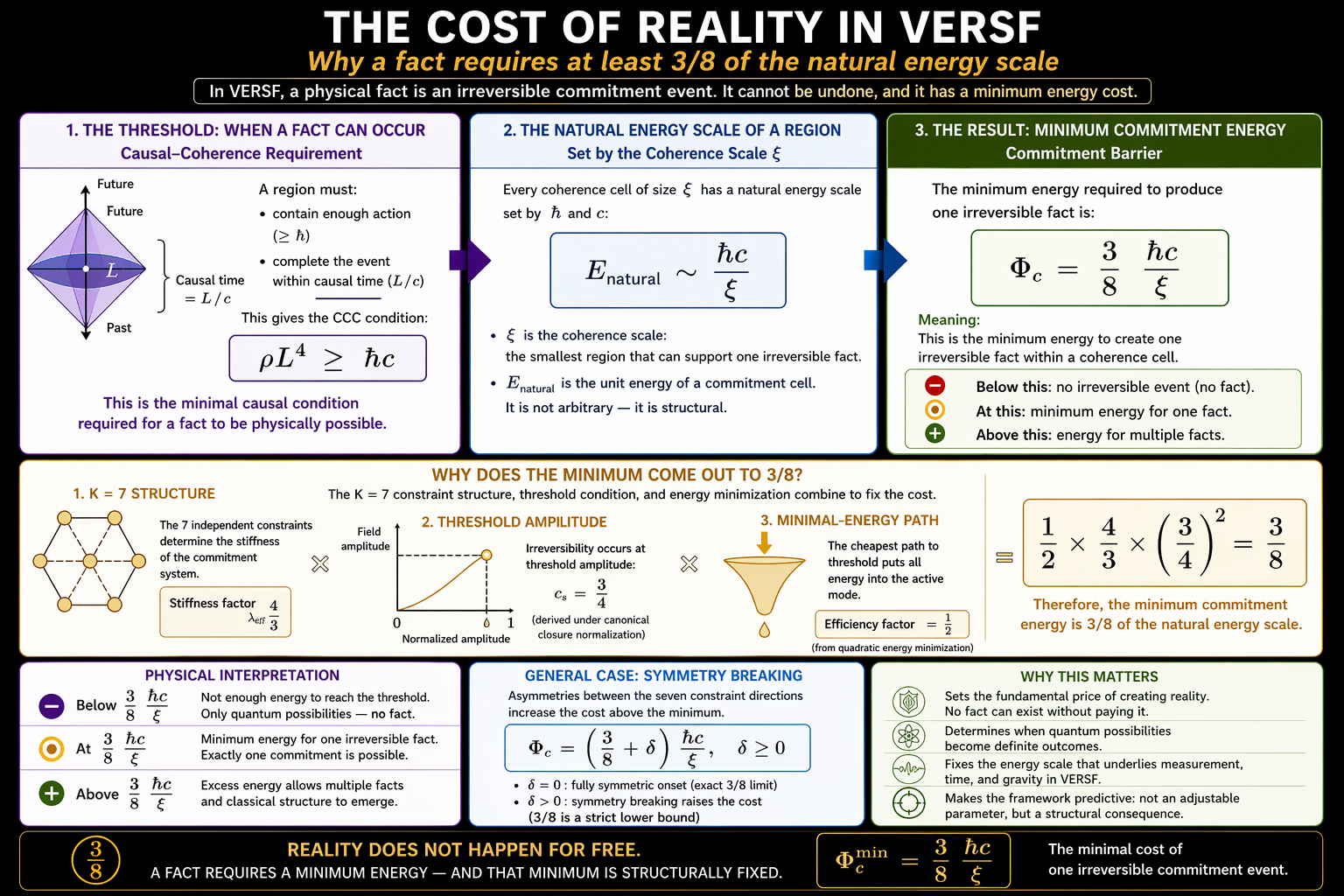
From Free Parameter to Structural Quantity: The Complete Derivation of the Commitment Barrier in the VERSF Framework

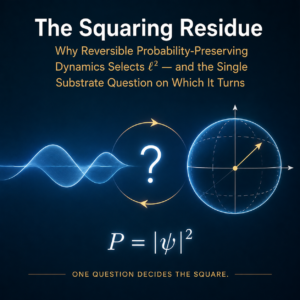
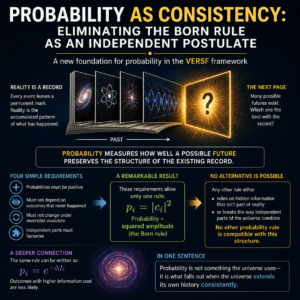
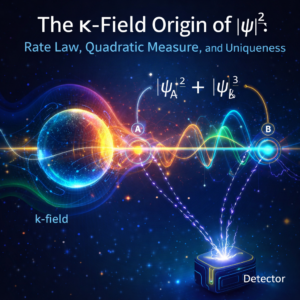
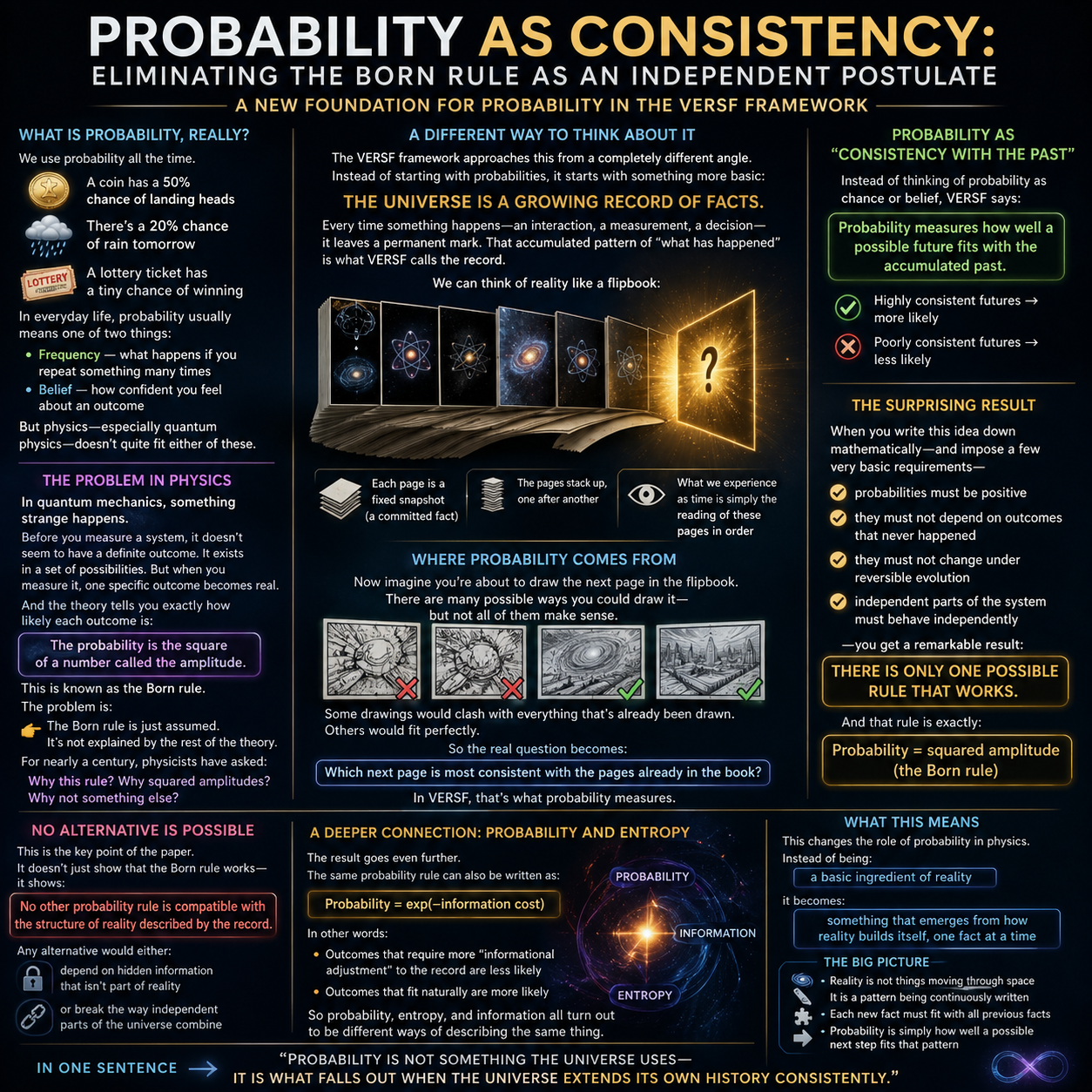
The κ-Field Origin of |ψ|²: Rate Law, Quadratic Measure, and Uniqueness

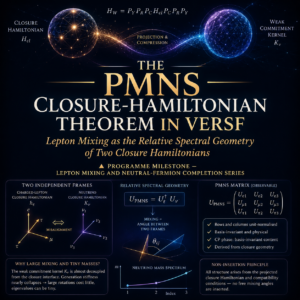
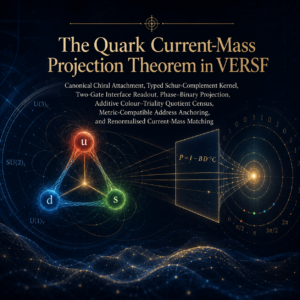
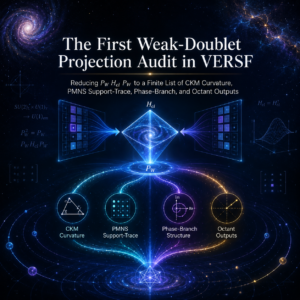
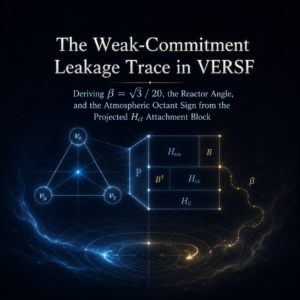
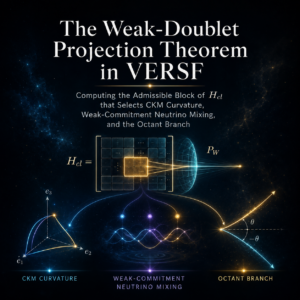
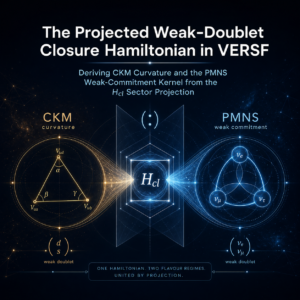
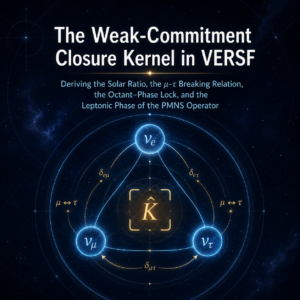
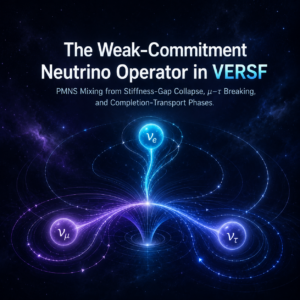
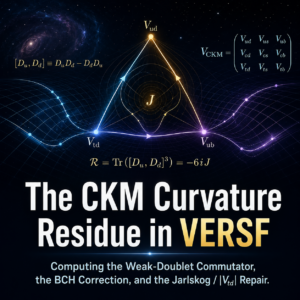
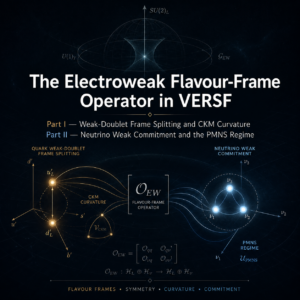
Deriving Flavour Mixing from Closure Geometry: CKM and PMNS Structure in the VERSF Framework

The Single-Source Theorem of VERSF

The Spectral Density of the Commitment-Event Bath in the VERSF Framework

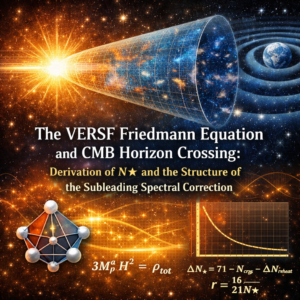
The VERSF Friedmann Equation and CMB Horizon Crossing: Derivation of N★ and the Structure of the Subleading Spectral Correction

Tensor Perturbations in the VERSF Framework: Fold-Boundary Geometry, Closure Stiffness, and Suppressed Gravitational Waves

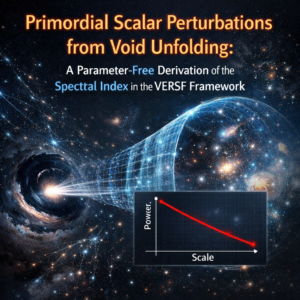
Primordial Scalar Perturbations from Void Unfolding: A Parameter-Free Derivation of the Spectral Index in the VERSF Framework

×
File 1
Primordial Scalar Perturbations from Void Unfolding
File 2
Exact Scalar Perturbation
View

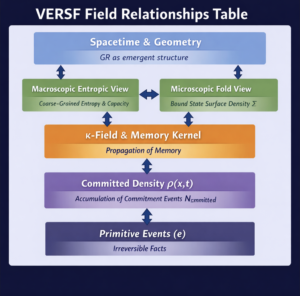
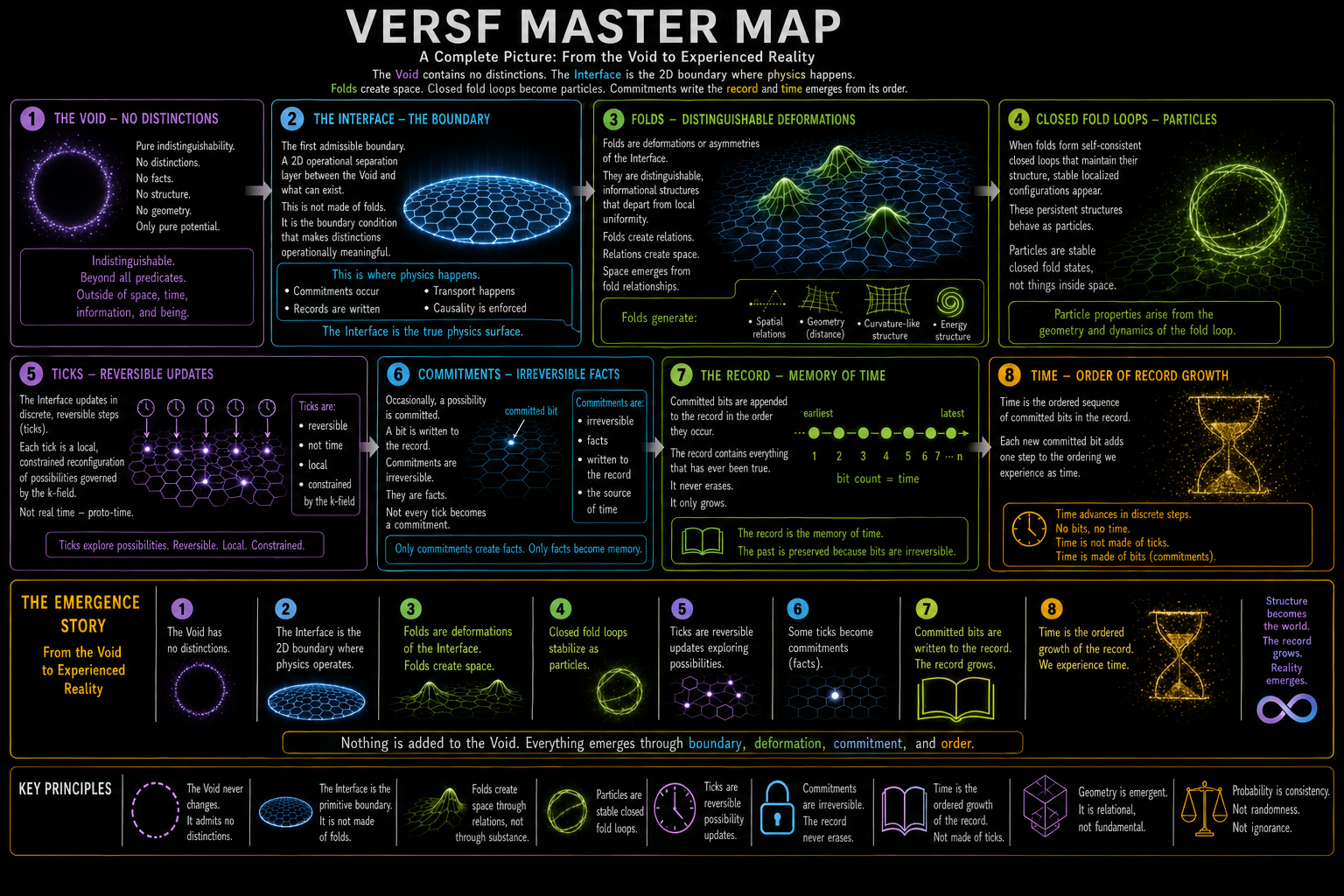
The Structure of Reality in VERSF: From Commitment Events to Spacetime

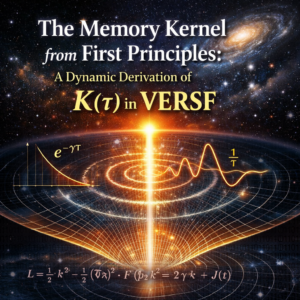
The Memory Kernel from First Principles: A Dynamic Derivation of K(τ) in VERSF

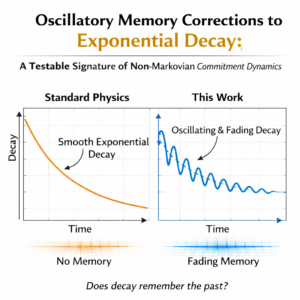
Oscillatory Memory Corrections to Exponential Decay: A Testable Signature of Non-Markovian Commitment Dynamics

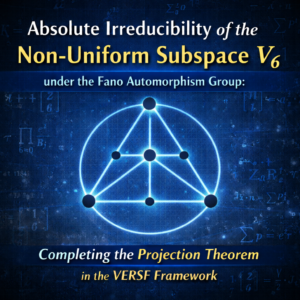
Absolute Irreducibility of the Non-Uniform Subspace V₆ under the Fano Automorphism Group: Completing the Projection Theorem in the VERSF Framework

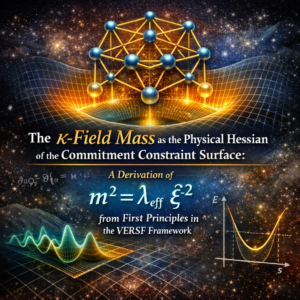
The κ-Field Mass as the Physical Hessian of the Commitment Constraint Surface

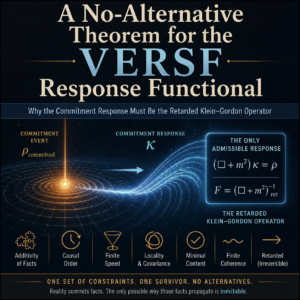
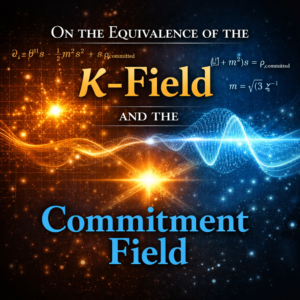
On the Equivalence of the κ-Field and the Commitment Field: A Unique Klein–Gordon Structure from Irreversible Fact Formation in the VERSF Framework

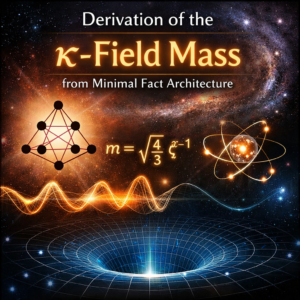
Derivation of the κ-Field Mass from Minimal Fact Architecture

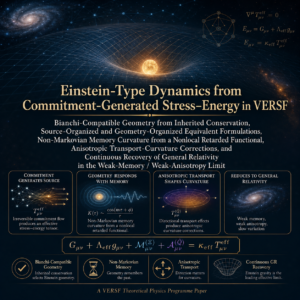
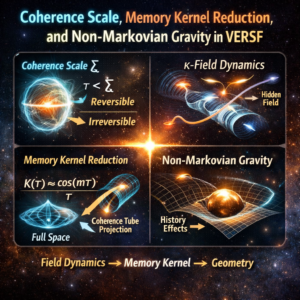
Coherence Scale, Memory Kernel Reduction, and Non-Markovian Gravity in VERSF

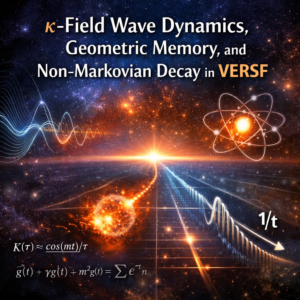
κ-Field Wave Dynamics, Geometric Memory, and Non-Markovian Decay in VERSF

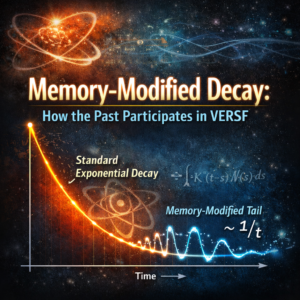
Memory-Modified Decay: How the Past Participates in VERSF

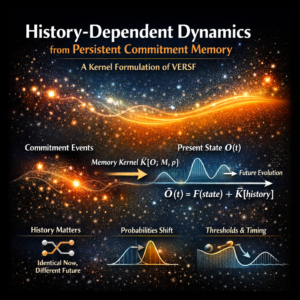
Fact-Momentum II: How the Past Actively Shapes What Happens Next

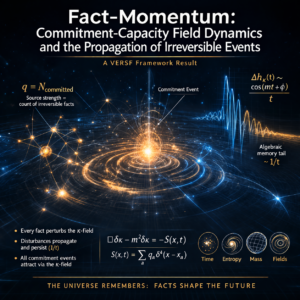
Fact-Momentum: Commitment-Capacity Field Dynamics and the Propagation of Irreversible Events

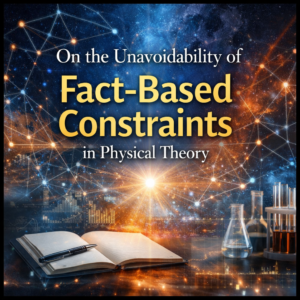
From Necessary Facts to Physical Structure: Why Fact-Based Physics Highly Constrains the VERSF Architecture

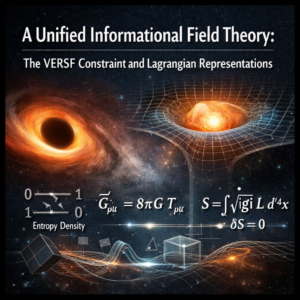
A Unified Informational Field Theory: The VERSF Constraint and Lagrangian Representations

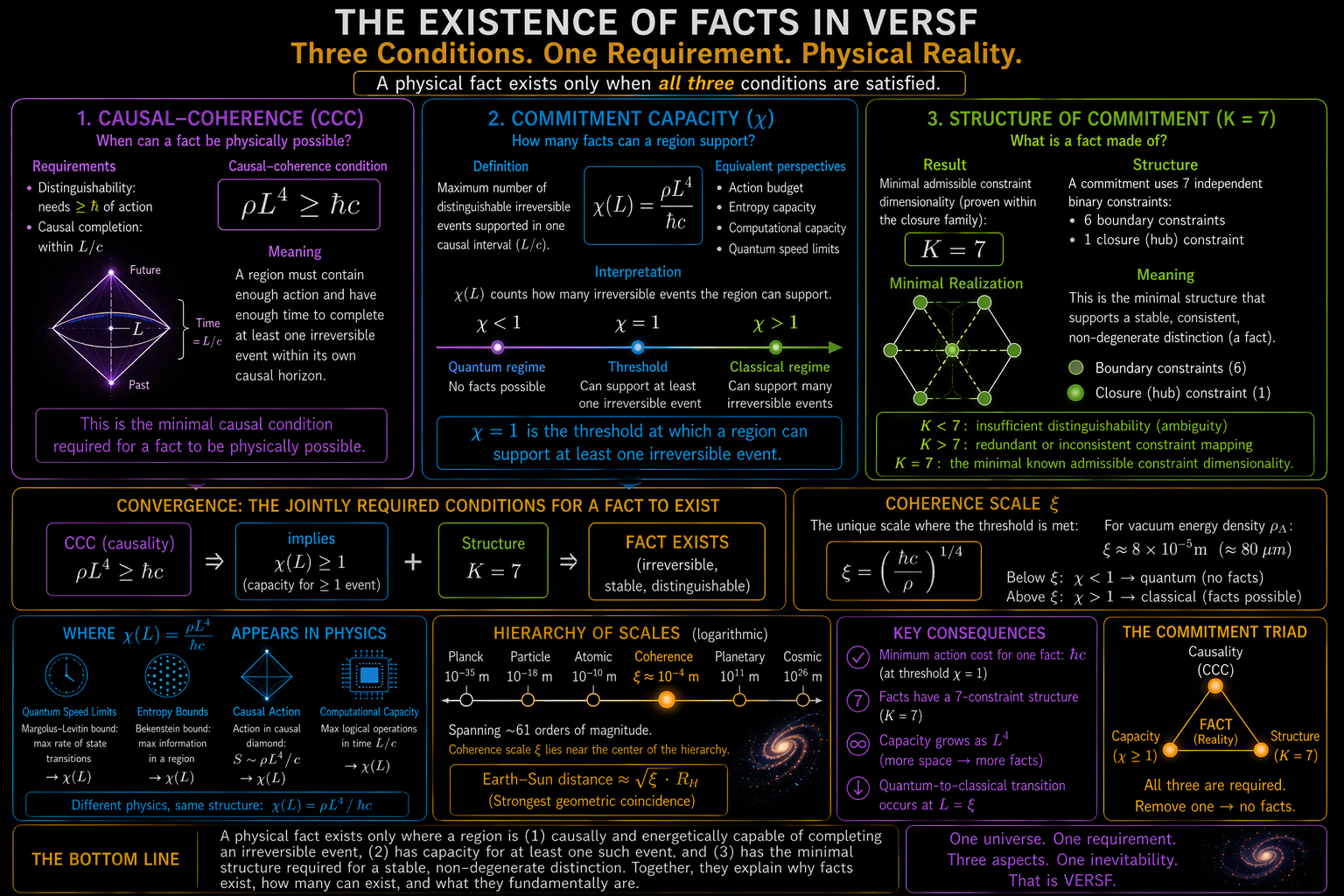
Causal–Coherence Compatibility and the Fact-Production Threshold

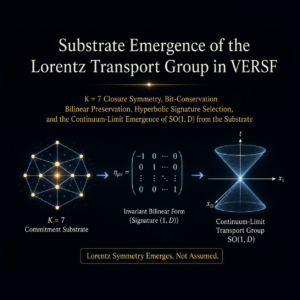
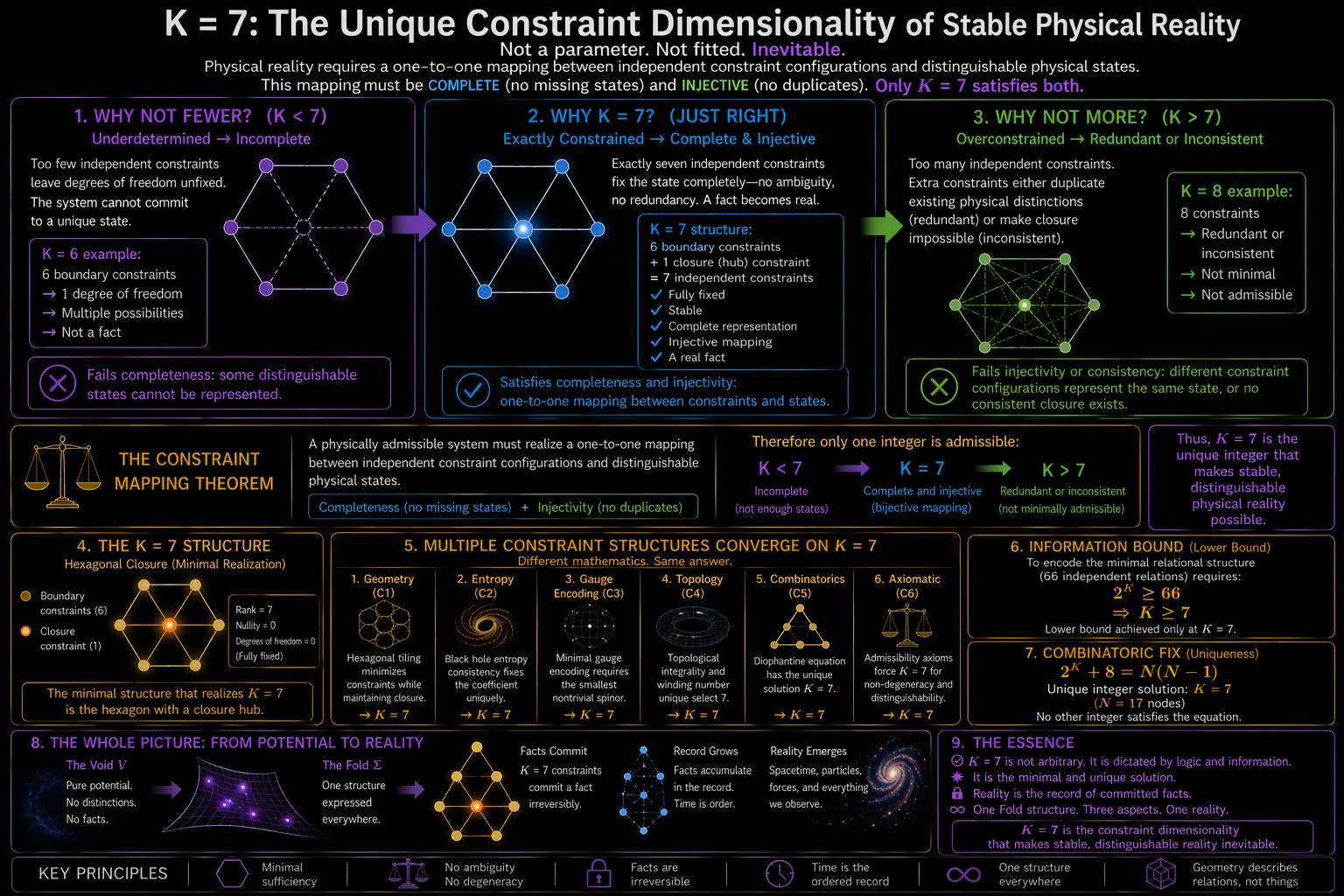
A No-Go Theorem for Non-Simplicial Relational Substrates – K7

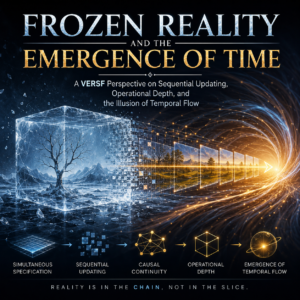
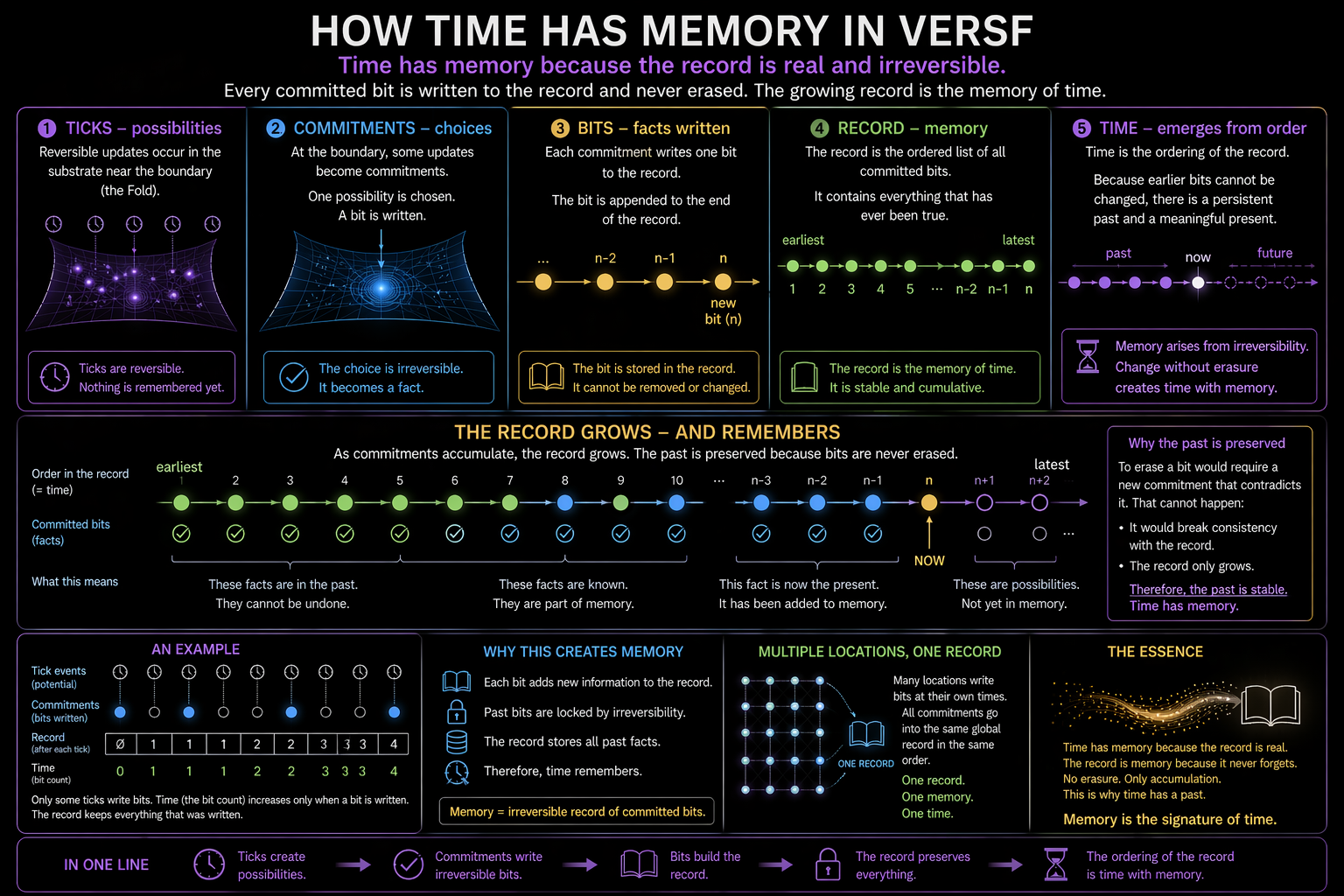
Where Time Really Comes From

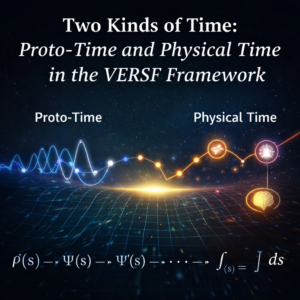
Two Kinds of Time: Proto-Time and Physical Time in the VERSF Framework

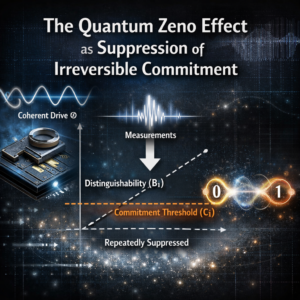
The Quantum Zeno Effect as Suppression of Irreversible Commitment: A Quantitative Analysis in Continuously Measured Superconducting Qubits

Commitment Lag and Enzyme Catalysis

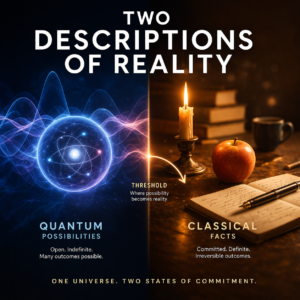
Two Descriptions of Reality – The Coherence Scale as a Commitment Threshold

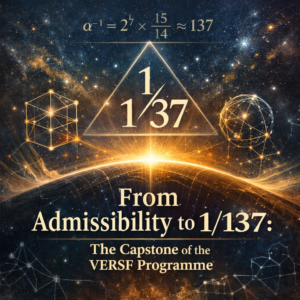
From Admissibility to 1/137: The Capstone of the VERSF Programme

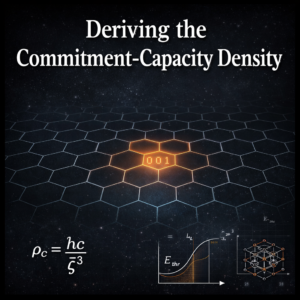
Deriving the Commitment-Capacity Density

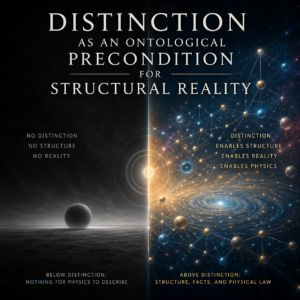
Why Physics Needs Facts to Exist at All

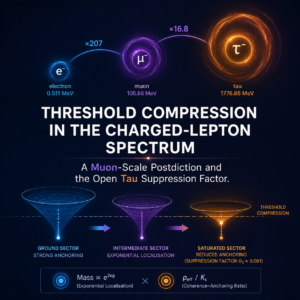
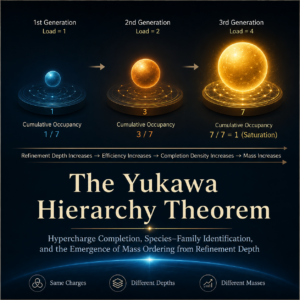
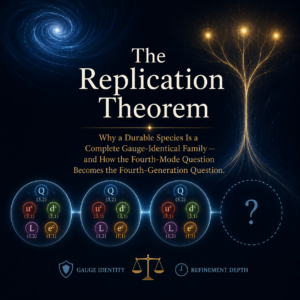
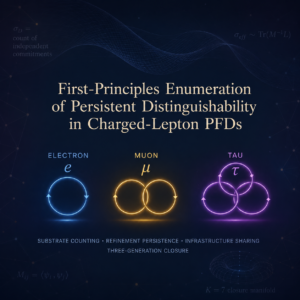
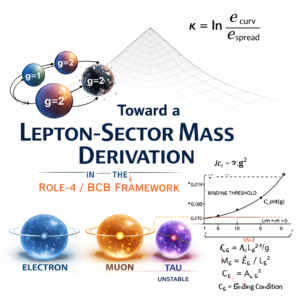
Why Are There Only Three Types of Leptons?

×
File 1
Main Paper
File 2
Structural Closure
View

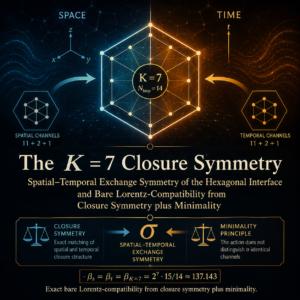
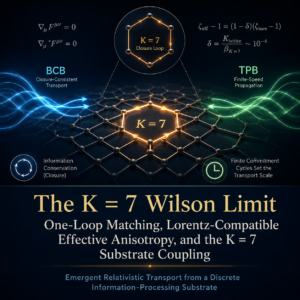
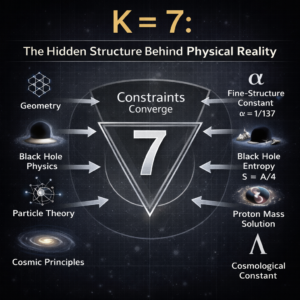
K = 7: The Hidden Structure Behind Physical Reality

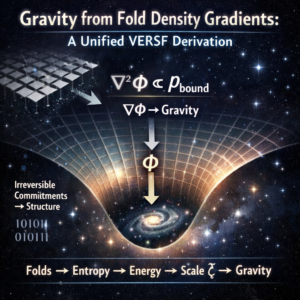
Gravity from Fold Density Gradients: A Unified VERSF Derivation

×
File 1
Initial Paper
File 2
Companion Paper
View

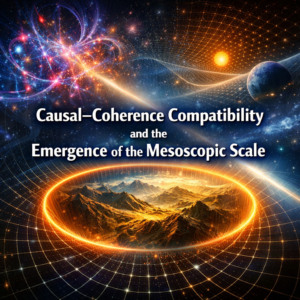
Causal–Coherence Compatibility and the Emergence of the Mesoscopic Scale

Deriving the Cosmological Constant – General Reader Explanation

From Structure to Constant: A Conditional Derivation of the Fine-Structure Constant

From Interface Structure to Physical Coupling: Closure of the VERSF Programme – Relates to Previous Fine Structure Constant Derivation

Completing the Interface Bridge: Phase Resolution, Symmetry Allocation, and Second-Order Selection in the VERSF Framework – Relates to Previous Fine Structure Constant Derivation

Finite Distinguishability and Local Capacity Competition: A Structural Basis for Per-Channel Interaction Dynamics – Relates to Previous Fine Structure Constant Derivation

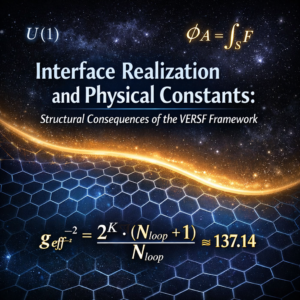
Interface Realization and Physical Constants: Structural Consequences of the VERSF Framework

On the Structural Status of Algebraic Reversibility and Compositional Completeness in Fact-Producing Universes

Internal Admissible Closure from Pre-Factual Reversibility in Fact-Producing Universes

Closing the Structural Gaps: Marginal Compositional Consistency and Algebraic Closure in Fact-Producing Universes

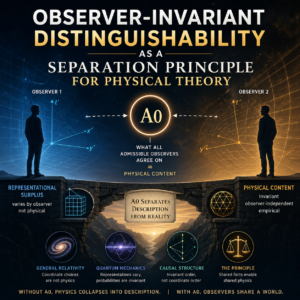
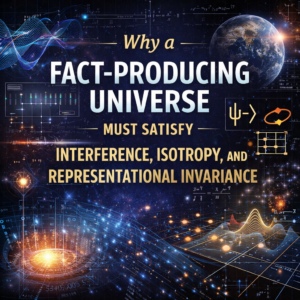
Why a Fact-Producing Universe Must Satisfy Interference, Isotropy, and Representational Invariance

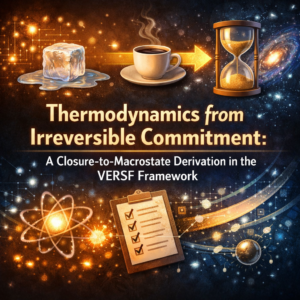
Thermodynamics from Irreversible Commitment: A Closure-to-Macrostate Derivation in the VERSF Framework

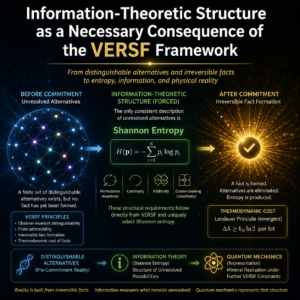
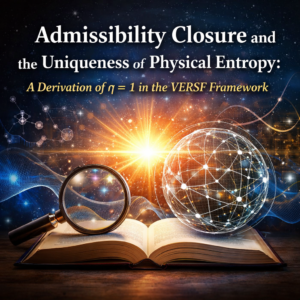
Admissibility Closure and the Uniqueness of Physical Entropy: A Derivation of η = 1 in the VERSF Framework

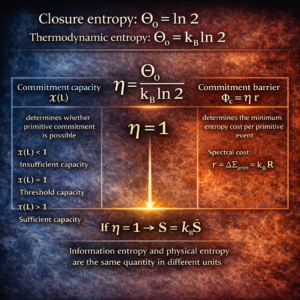
Determining η: When Information and Physical Entropy Become the Same

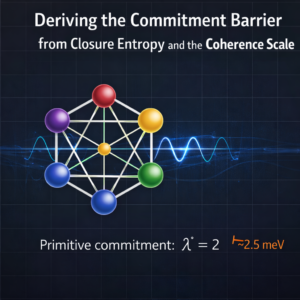
Deriving the Commitment Barrier from Closure Entropy and the Coherence Scale

Wave-Particle Duality as Pre-Temporal Commitment Dynamics in the VERSF Framework

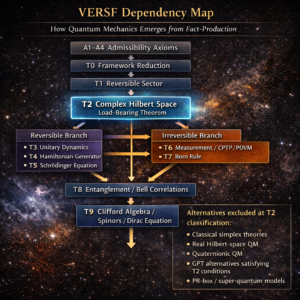
VERSF Dependency Map

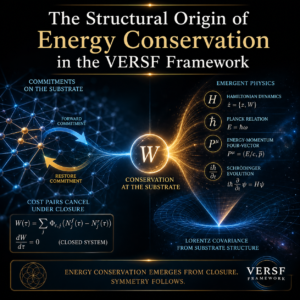
Noether’s Theorem Without Fundamental Time

Geometric Spin Filtering in Chiral Molecules: Why Shape May Control Electron Spin

Deriving the Minimal Commitment Structure at the Void–Universe Boundary

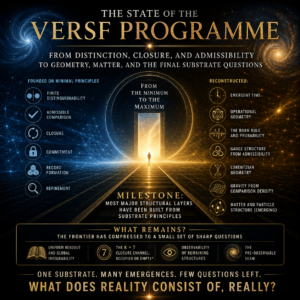
Taking Stock of the VERSF Programme, March 2026

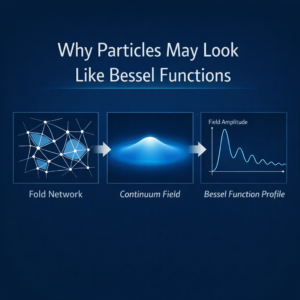
Why Particles May Look Like Bessel Functions

A New Rung in Reality? The VERSF Search for the Missing Scale of Spacetime

×
File 1
Main Paper
File 2
This companion paper derives and interprets a specific physical scale — ξ ≈ 8.2 × 10⁻⁵ metres — from within the VERSF framework
File 3
This paper shows that the same quartic quantity, χ(L) = ρL⁴/ℏc, appears across quantum mechanics, thermodynamics, computation, and gravity, suggesting a common capacity law for bounded regions of spacetime.
View

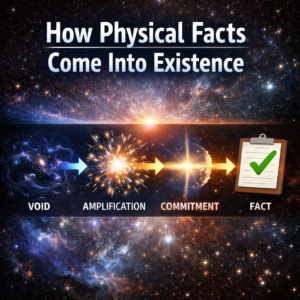
How Physical Facts Come Into Existence

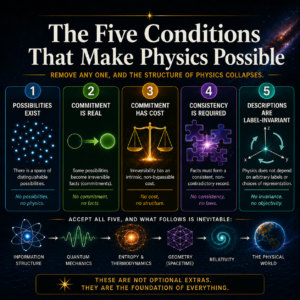
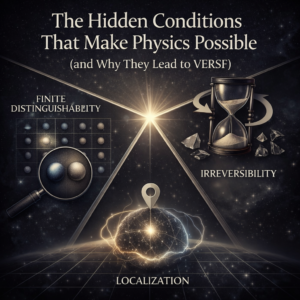
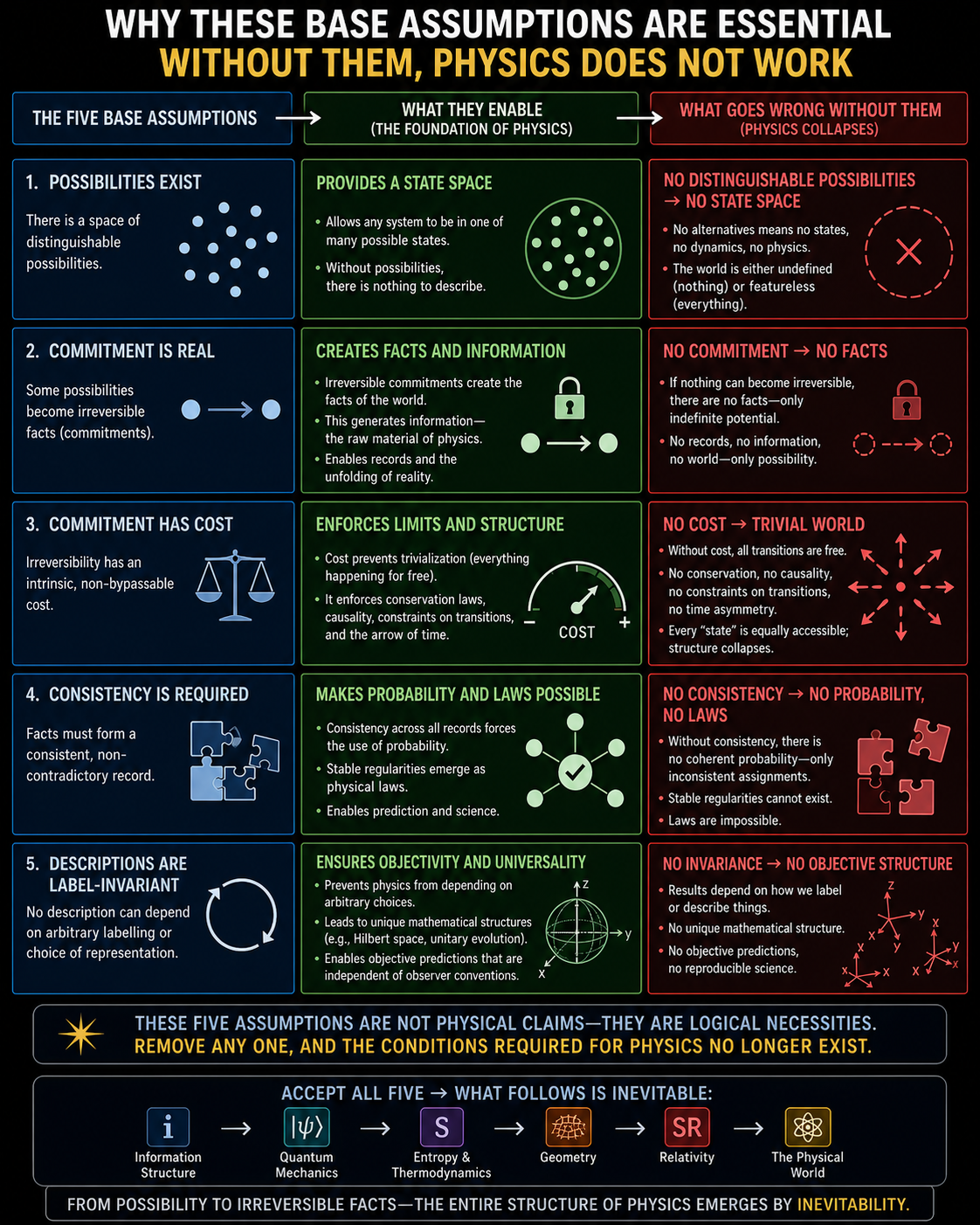
The Hidden Conditions That Make Physics Possible (and Why They Lead to VERSF)

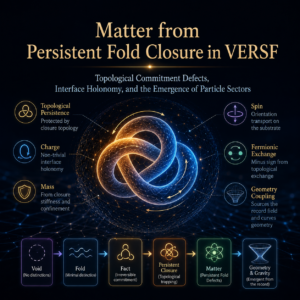
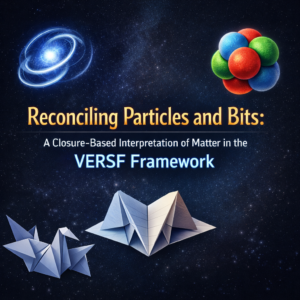
Reconciling Particles and Bits: A Closure-Based Interpretation of Matter in the VERSF Framework

The Foundational Architecture of the Void Energy–Regulated Space Framework (VERSF)

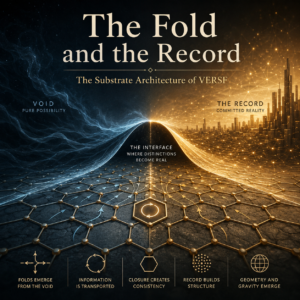
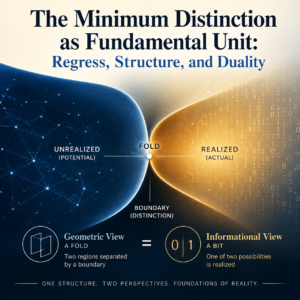
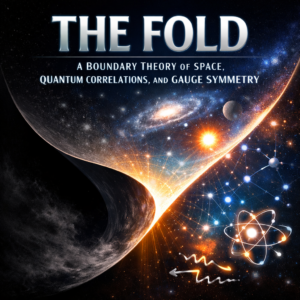
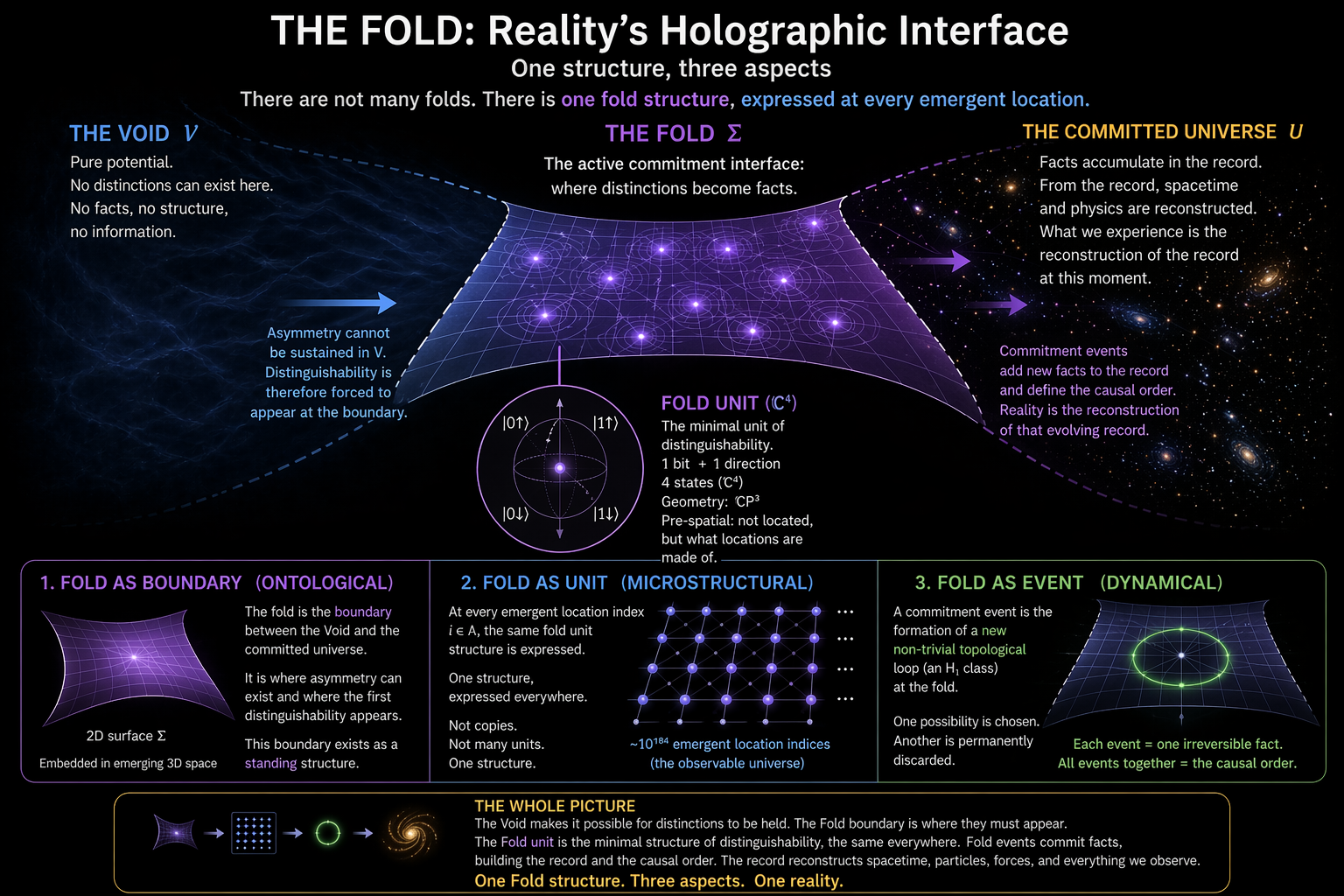
The Fold: A Boundary Theory of Space, Quantum Correlations, and Gauge Symmetry

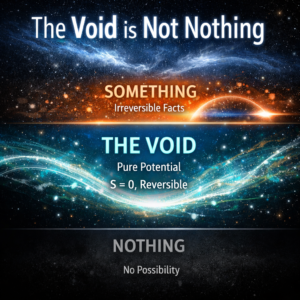
The Void Is Not Nothing

Entropy Reconsidered: Why This Paper Matters

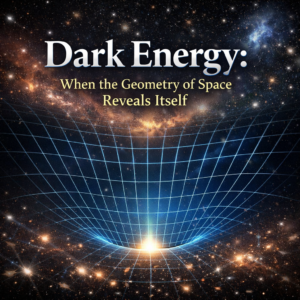
Dark Energy: When the Geometry of Space Reveals Itself

Operational Law Closure from Finite Distinguishability

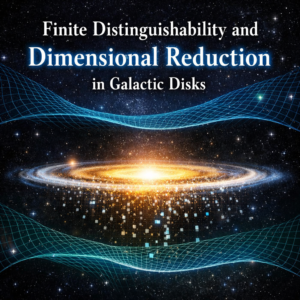
Finite Distinguishability and Dimensional Reduction in Galactic Disks

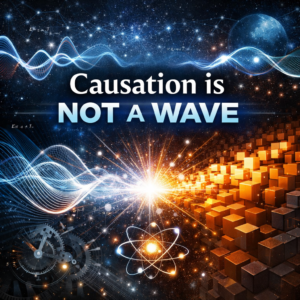
Causation Is Not a Wave

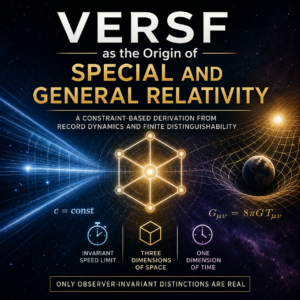
Where the Speed of Light Comes From

×
File 1
Main Paper
File 2
Dimensional Lockdown Paper. Technical companion to the primary paper
File 3
Structural Completion
View

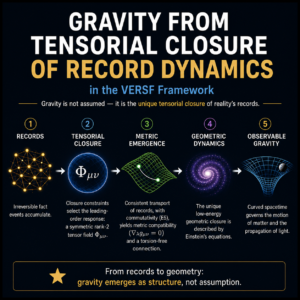
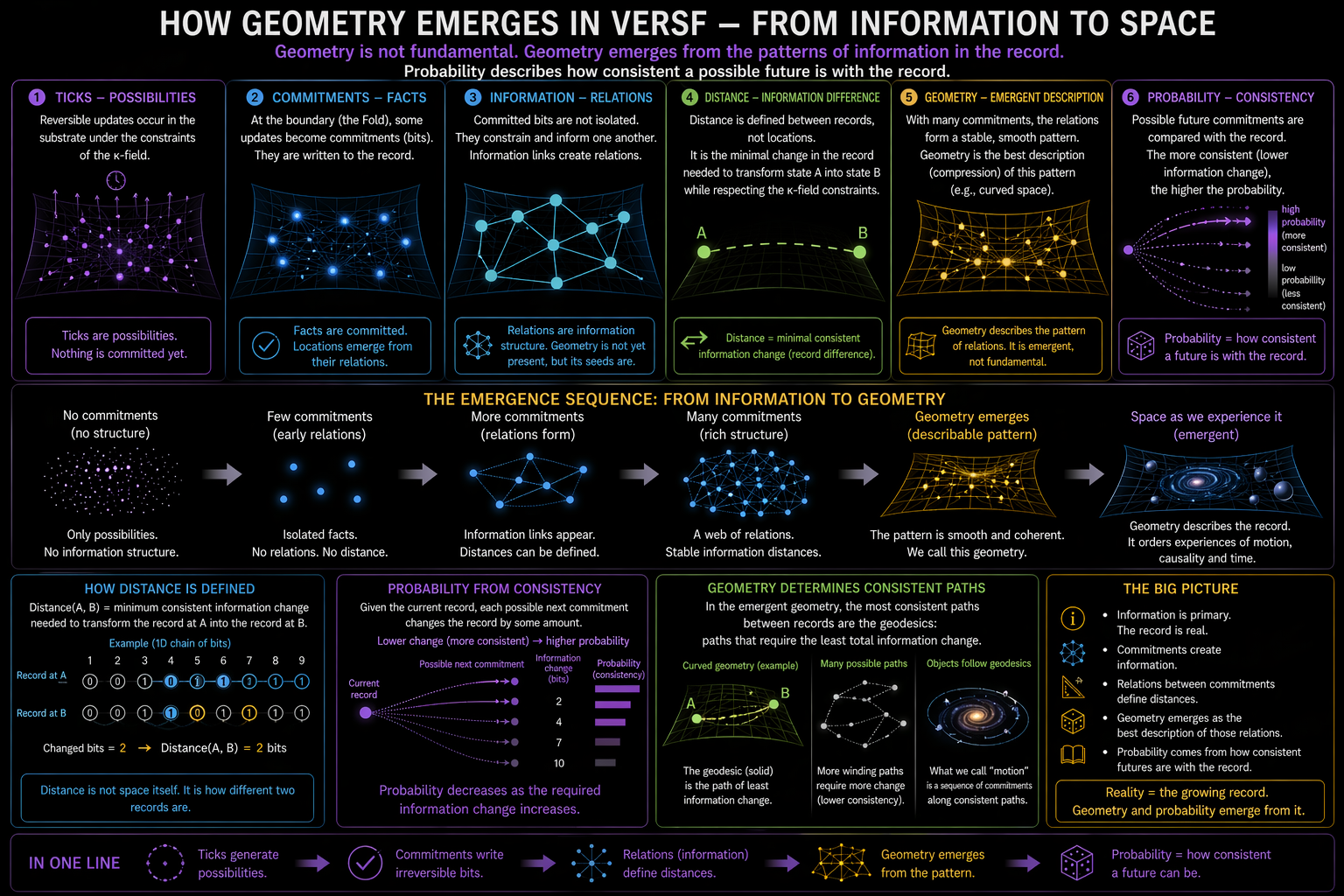
BCB Record-Theoretic Emergence of Spacetime Geometry and Gravitational Dynamics

×
File 1
Main Paper
File 2
Structural Clarifications
View

What If Physics Isn’t Mostly Choice?

The Void Before Everything: Why the Simplest Pre-Cosmic State Is Pure Potential

The Distinguishability Barrier

A VERSF Explanation Without Dark Matter

Geometric Closure

VERSF: A Unified Coarse-Grained Account of Mass and Gravity

Void Coupling as Phase Coherence: Extending the Void Anchoring Framework

Void Anchoring: A Different Way to See Structure

The Planck Time as a Certification Floor for Emergent Temporal Metrics

A New Way to Think About the Constants of Nature

The Last Thursday Hypothesis

Where the “1/4” in Black Hole Entropy Comes From

×
File 1
Main Paper
File 2
A companion analysis proving that minimal simplicial admissibility uniquely selects K = 7 and fixes the boundary entropy coefficient through null constraint reduction.
View

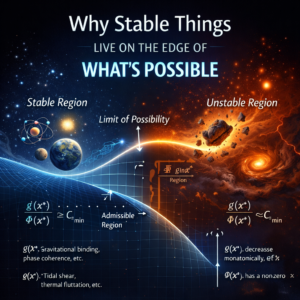
Why Stable Things Live on the Edge of What’s Possible

A Hidden “Middle Scale” in the Universe — and Why It Matters

Why the Speed of Light Might Be a Processing Limit, Not a Coincidence

Why the Universe Has a Smallest Length — and Why Gravity Is So Weak

Why the Universe Has More Matter Than Antimatter — and Why That Might Not Be a Mystery After All

Time Did Not Begin

Why the Arrow of Time Exists

The Topological Threshold for Fact Formation

What Modern “Beyond-Standard” Physics Explains and What It Misses

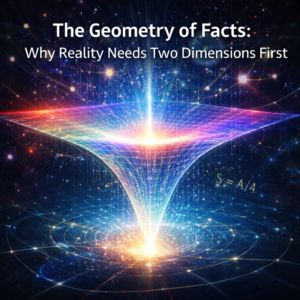
The Geometry of Facts: Why Reality Needs Two Dimensions First

Why Time Builds Space (Not the Other Way Around)

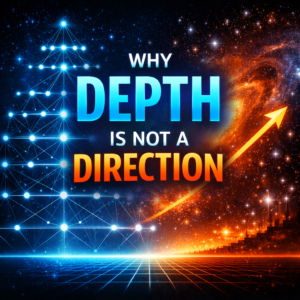
Why “Depth” Is an Illusion

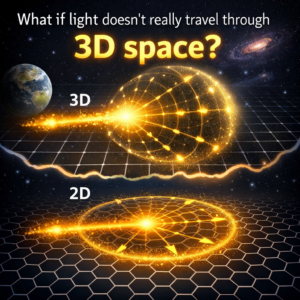
What if light doesn’t really travel through 3D space?

Quantum advantage may be real — but it’s often overstated

×
File 1
Main Paper
File 2
A companion paper that shows DCPC’s advantage is real, bounded, and testable by identifying the cost crossover that determines when delayed commitment wins.
View

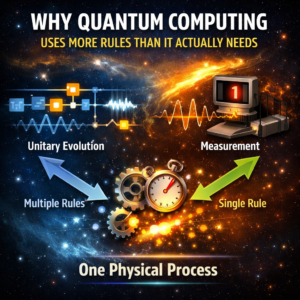
Why Quantum Computing Uses More Rules Than It Actually Needs

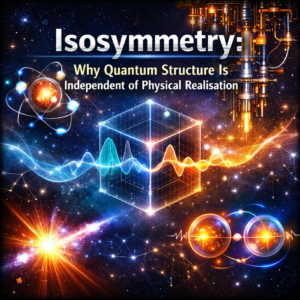
Isosymmetry: Why Quantum Structure Is Independent of Physical Realisation

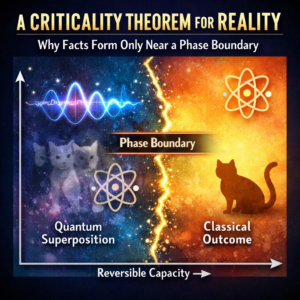
A Criticality Theorem for Reality: Why Facts Form Only Near a Phase Boundary

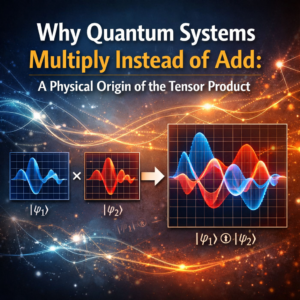
Why Quantum Systems Multiply Instead of Add: A Physical Origin of the Tensor Product

×
File 1
Main Paper
File 2
Supplementary Paper on Entanglement Physics
View

What Does the Glow of Black Holes Tell Us About Space?

A Rigorous Reduction of Potential Finite-Time Breakdown in 3D Navier–Stokes

Why Reality Needs a Void to Produce Facts

Why Physics Has Exactly Four Fundamental Forces

The Scope of Quantum Computing: A Clarification

String Theory, Revisited: When Mathematical Ambition Outruns Physical Admissibility

The Physical Admissibility Framework (PAF): Finite Distinguishability, Irreversible Commitment, and the Cost of Facts

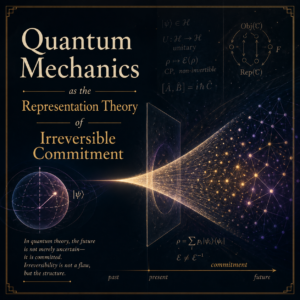
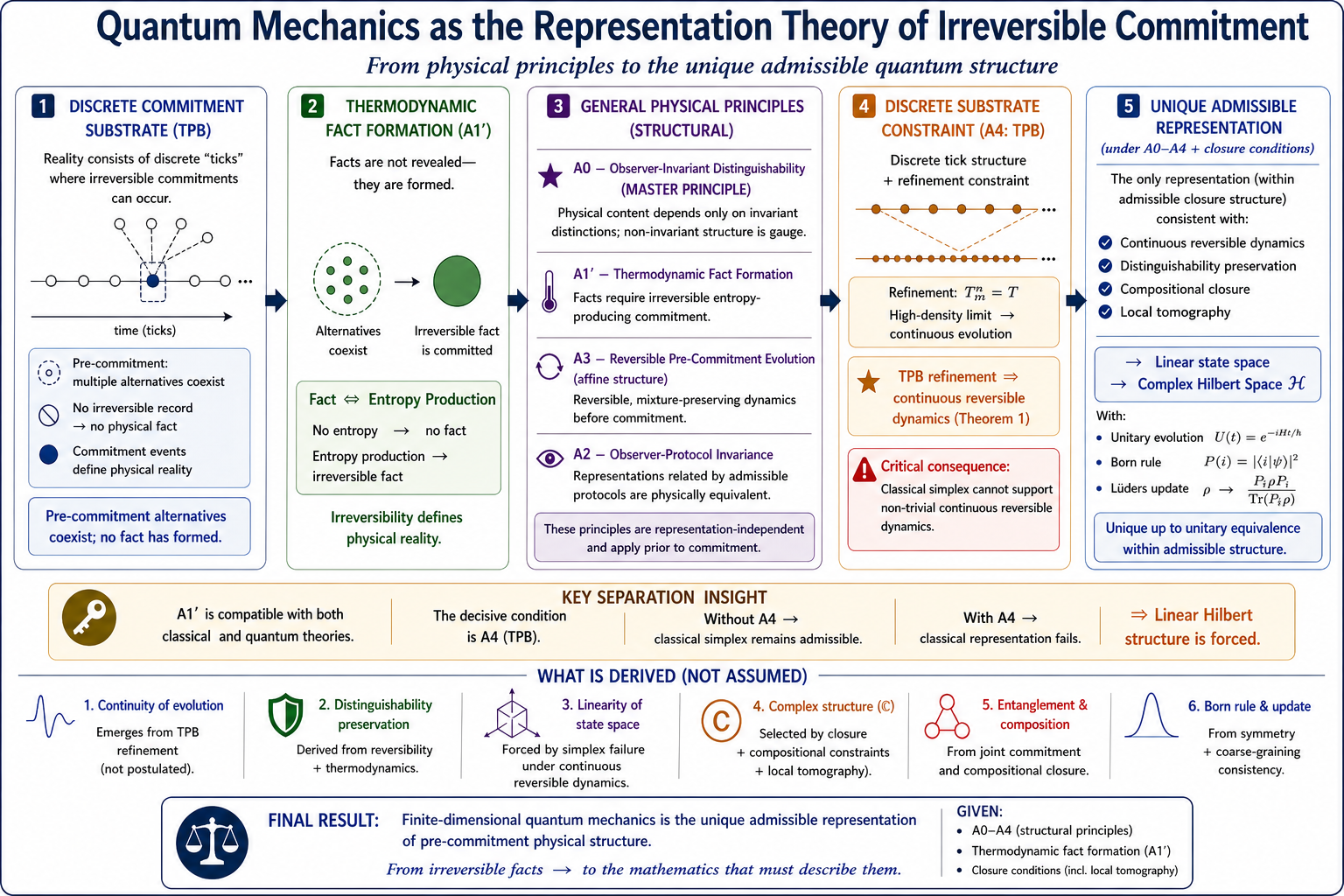
Quantum Mechanics as Admissibility Fixed Point

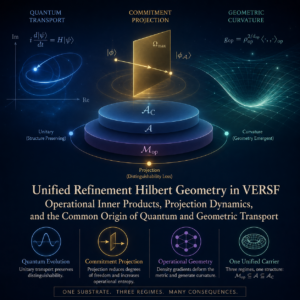
The Hamiltonian as an Admissibility Generator in VERSF

Measurement as Commitment: Why Quantum Systems Are Relational

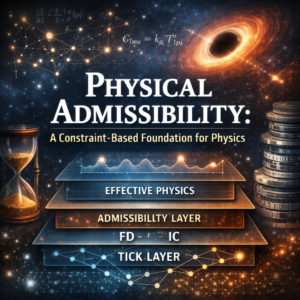
Physical Admissibility: A Constraint-Based Foundation for Physics

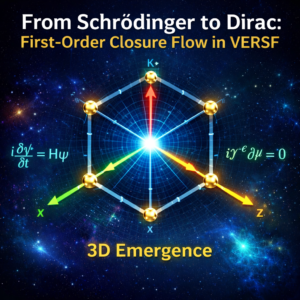
From Schrödinger to Dirac: First-Order Closure Flow in VERSF

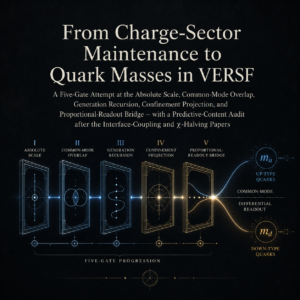
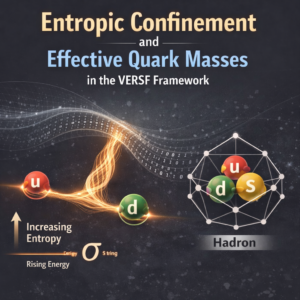
Entropic Confinement and Effective Quark Masses in the VERSF Framework

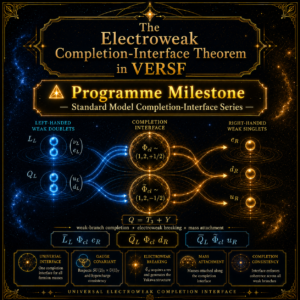
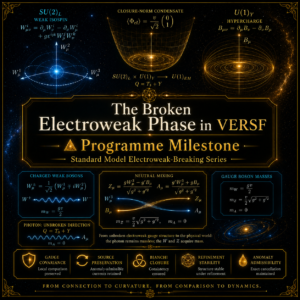
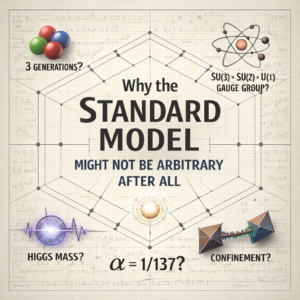
Why the Standard Model Might Not Be Arbitrary After All

×
File 1
Main Paper
File 2
This companion paper derives the geometric and dynamical structure behind the Hexagonal Closure Framework.
View

Constraint-Defined Geometry and Emergent Time

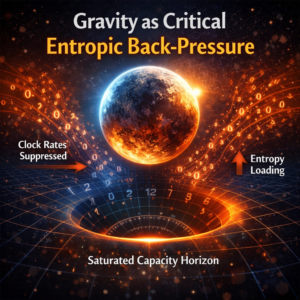
Gravity as Critical Entropic Back-Pressure

×
File 1
Main Paper
File 2
This paper clarifies the internal structure of the BCB–VERSF research programme. Multiple papers within the programme employ different formalisms—conservation laws, capacity constraints, measurement dynamics, and effective field descriptions. The purpose of this paper is to make those levels explicit, to state clearly which claims belong to which layer, and to articulate the meta-theoretic status of the foundational constraint.
File 3
This paper provides a clear, explanatory overview of how the main papers in the BCB–VERSF research programme relate to one another.
View

Quantum Computation Reinterpreted: Delayed Distinguishability and Competitive Bit Formation

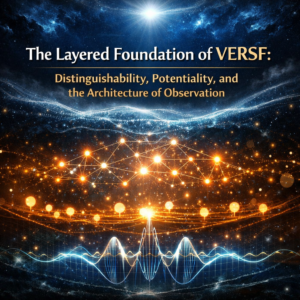
Distinguishability: The Missing Constraint in Modern Science

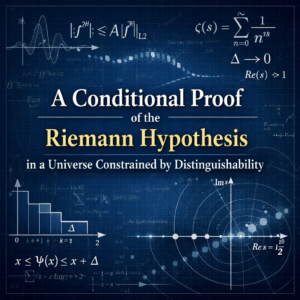
Why the Riemann Hypothesis Is Really About Infinite Distinguishability

×
File 1
Main Paper
File 2
Supplementary Paper
View

Reality as a Runtime Programme — and Universal Constants as Its Parameters

×
File 1
Main Paper
File 2
Summary Paper for General Reader
View

Bringing Together VERSF, BCB and TPB frameworks

Rethinking the Big Bang: A Universe Built from Information, Not Spacetime

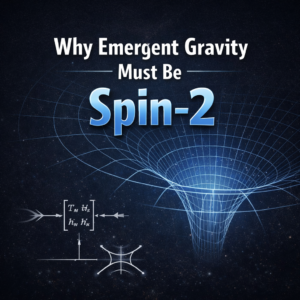
Why Emergent Gravity Must Be Spin-2

Why the Bit–Tick Framework Isn’t One Idea Among Many and Why the Axioms Must Hold

×
File 1
Uniqueness of the Bit Tick Framework
File 2
Emprical Status of Axioms
View

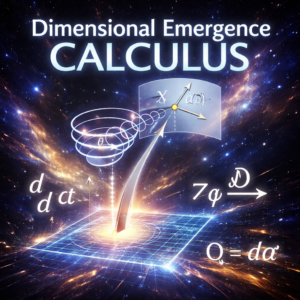
Dimensional Emergence Calculus

Why This Canon Document Exists

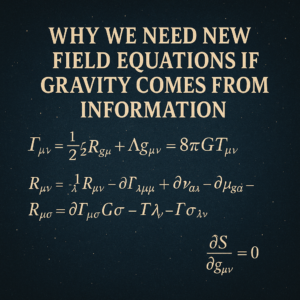
Why We Need New Field Equations If Gravity Comes from Information

It isn’t actually a Giant Computer but its laws are those of optimal computation.

Towards a Complete Information-Theoretic Physics: Closing the Remaining Gaps

×
File 1
Main Full Paper
File 2
Summary Paper
View

Why Quantum Randomness Might Be an Illusion!

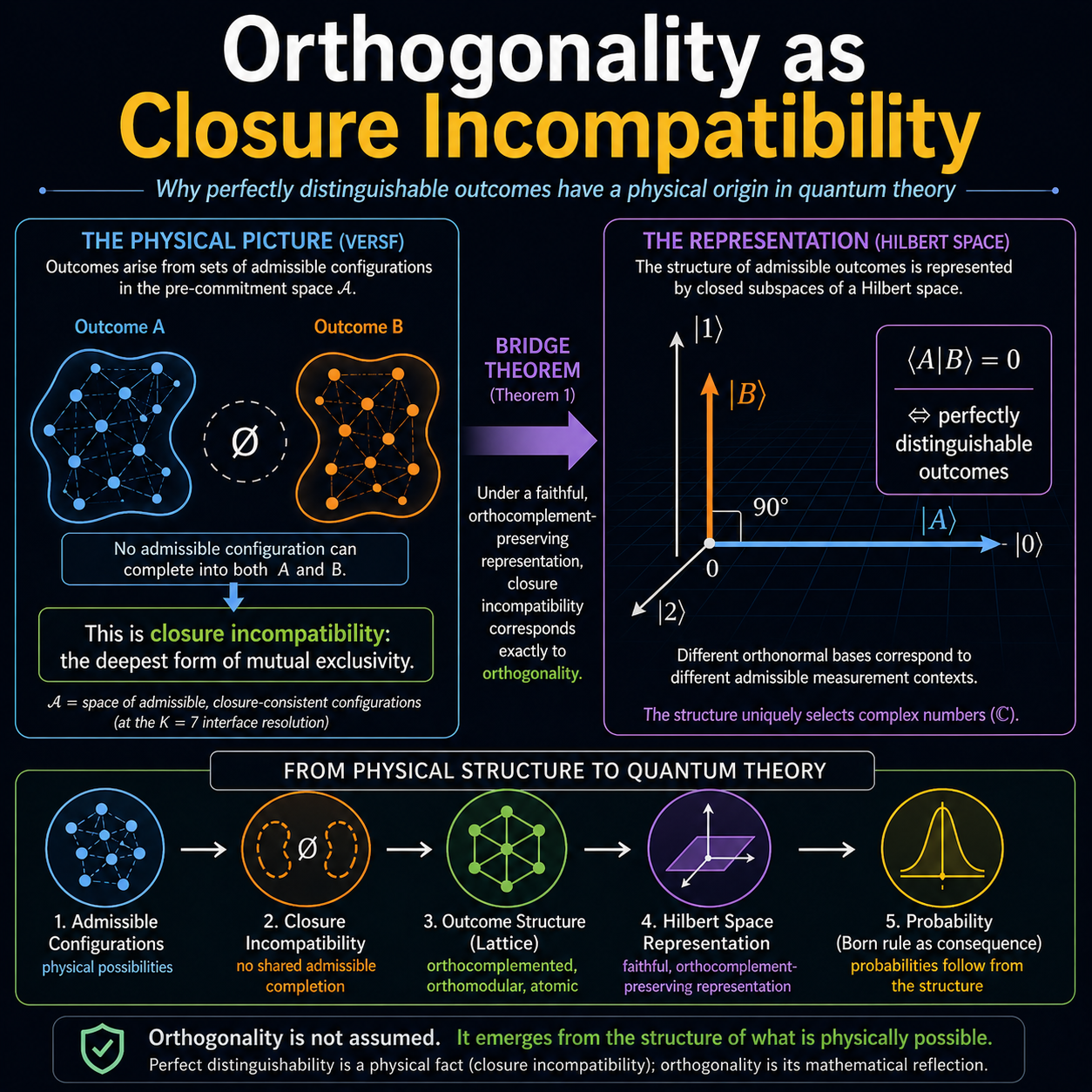
Complex Hilbert Space from Distinguishability Principles

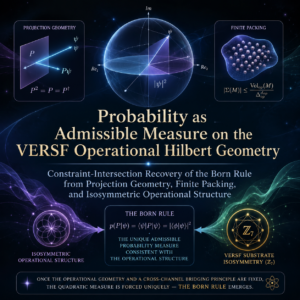
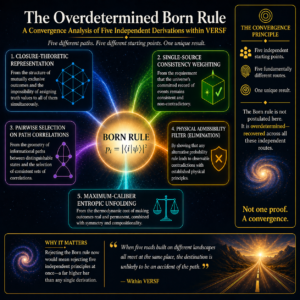
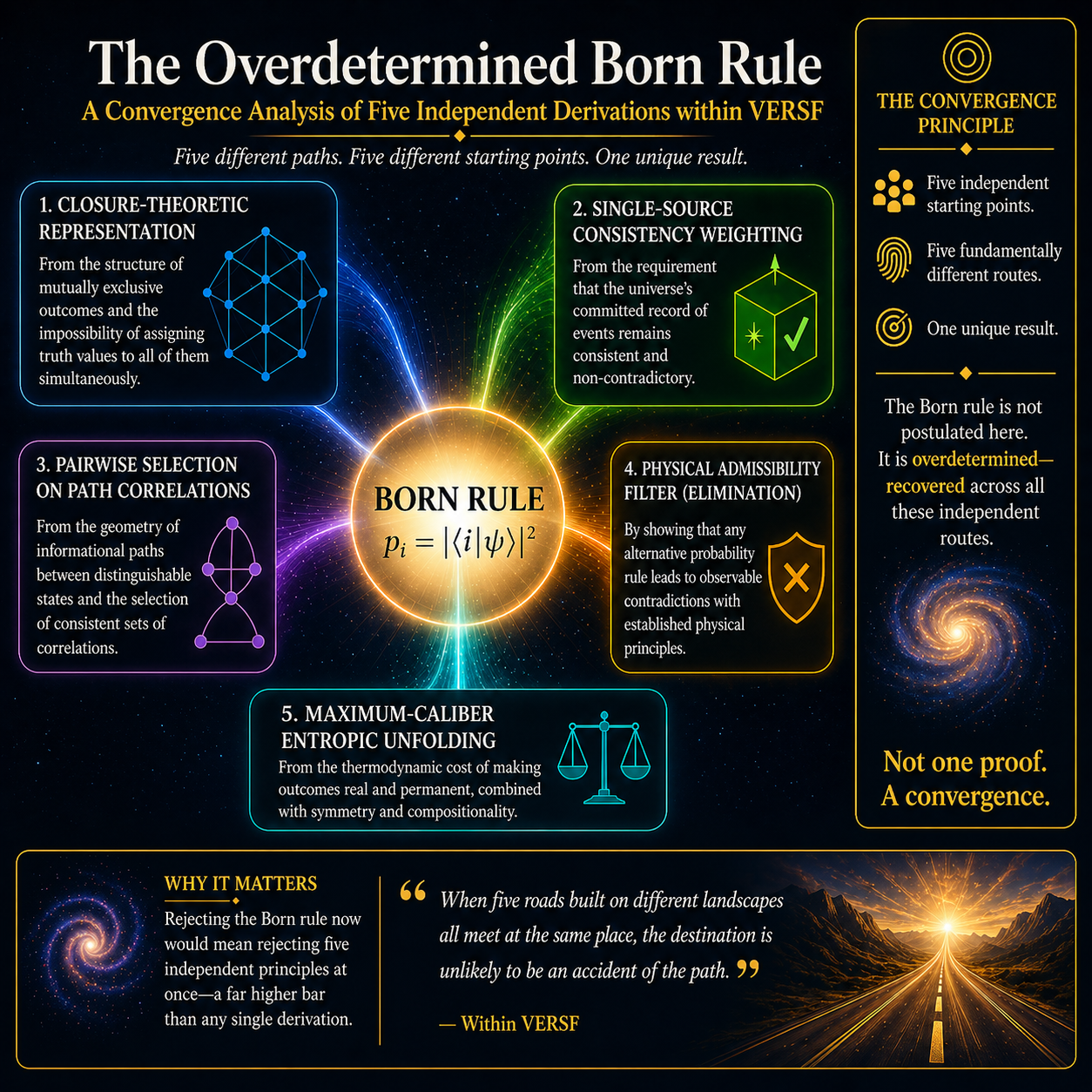
The Double Square Rule: Why Quantum Probabilities Had to Be Squared All Along – A Born Rule Derivation.

×
File 1
Main Paper
File 2
A companion paper showing that the Born rule is the unique admissible probability law forced by finite distinguishability, TPB time, and pairwise relational structure.
View

Why Time as a Dimension Is Holding Physics Back

One Fold: Deriving Fundamental Physics from a Single Unit of Distinguishability

×
File 1
Main Paper
File 2
A companion audit that makes the assumptions, dependencies, and robustness of the One-Fold derivations explicit.
File 3
Paper III shows that the “five assumptions” behind the gauge-group result don’t compound independently—almost all the risk concentrates in GG3—and it replaces the old α gap correction with a UV–IR RG matching condition via a fold scale μ*.
File 4
This paper supplies the missing dynamical and informational backbone of the One-Fold programme, showing why the structures are generic, stable, and quantitatively consistent rather than merely admissible.
View

When Time Only Ticks With Change: Rethinking the Three-Body Problem Through Information

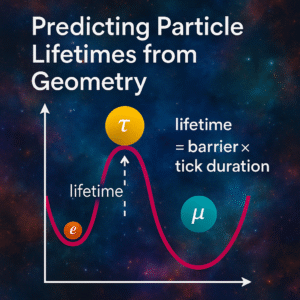
How a Simple Geometric Idea May Explain Why Particles Decay at the Speeds They Do

Why Physics Requires a Void

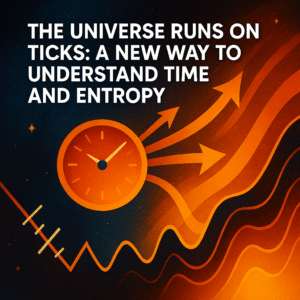
The Universe Runs on Ticks: A New Way to Understand Time and Entropy.

Introducing the Ticks-Per-Bit Framework

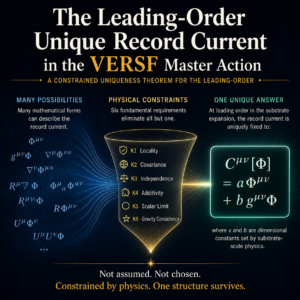
The First Lagrangian for BCB

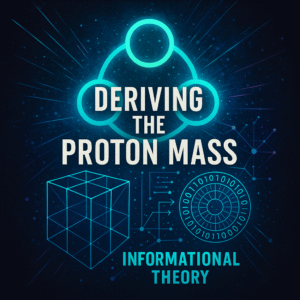
Deriving the Proton Mass: Why It Matters!

×
File 1
Establishes the BCB information-theoretic mass framework, deriving the bit scale and structural multiplicities that organize baryon masses, and reducing the proton mass problem to determining a single closure-depth invariant.
File 2
A companion paper that removes circularity by deriving the baryon closure depth N=17 N=17 from BCB+TPB constraint dynamics (mix–project contraction on a C₃-symmetric residual space), making the proton mass a derived consequence rather than an input.
View

The Invisible Structure That Shapes the Baryon Mass Spectrum

×
File 1
Main Paper
File 2
General Reader Summary
View

Why Our Universe Has Exactly Three Dimensions — And Why It Couldn’t Be Any Other Way

×
File 1
Main Paper
File 2
A robustness and non-circularity analysis demonstrating why three spatial dimensions are uniquely selected.
File 3
A focused clarification resolving three remaining structural assumptions in the BCB dimension
View

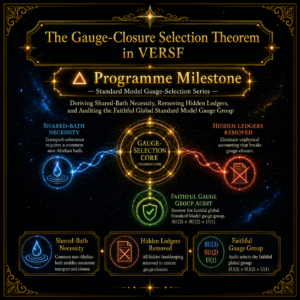
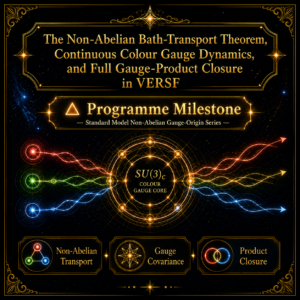
Why the Universe Chose SU(3) × SU(2) × U(1)

×
File 1
Main Paper
File 2
General Reader Summary
File 3
This paper shows that the internal symmetries of the Standard Model are fixed by information-theoretic consistency rather than postulate.
File 4
This paper replaces every remaining assumption with either a proof or a minimal empirical anchor so that nothing load-bearing is left unexamined
View

Why Schrödinger’s Cat Collapses: A New Thermodynamic Explanation

From Bit Conservation to Gravity: A Unified Explanation

BCB and the Uniqueness of Quantum Mechanics: A Multi-Path Derivation

How “From Conservation to Geometry” Strengthens the Case for BCB

From Bits to Reality: The Blueprint Beneath Quantum Mechanics

From Entropy to Information: The Next Step in Understanding Reality

×
File 1
Main Paper
File 2
Summary Paper
View

The Geometry Beneath Quantum Mechanics

From Geometry to Arithmetic: Extending the VERSF Program into Algebra

From the Geometry of the Universe to the Geometry Within It

The Geometry Beneath Reality – One To Read!

×
File 1
Main Paper
File 2
Why the Void Creates Difference
View

The Universe’s Idle-Rev Limit

×
File 1
A Gauge-Invariant Entropic Mechanism for the Yang–Mills Mass G
File 2
Entropy–Convexity Constructive Clarification: Strengthening the Analytic Foundations of the Yang–Mills Mass Gap Program
View

Binary Foundations of Physical Reality — A Universe That Thinks in Bits!

Unifying Feynman, Schrödinger, and Quantum Computing: The Hidden Language Beneath Reality

From Paths to Folds: Cracking the Code Beneath Reality

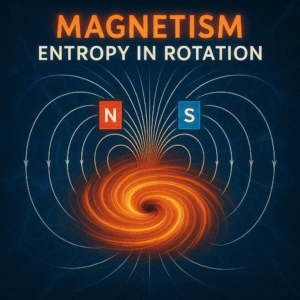
Magnetism: The Swirl Beneath the Field

The Physics Beneath Entanglement: Searching for the Void-Space Interface

The Breaking Point of the Fabric of Space

Why Anything Has Mass

Why Time Travel Is Impossible (and Why That’s Beautiful).

The Hidden Fifth Element of Reality

Entropy Quanta and Physical Unfolding

Entropic Foundations of the Born Rule

The Edge of Time and deriving the Born Rule.

Entropy Is the Field Beneath Spacetime

×
File 1
Main Paper
File 2
This paper precisely delimits what is rigorously derived in the entropy–scalar EFT framework from what is conjectural, clarifying parameter status, scope, and the forward research program without weakening the core result.
View

From Map to Mechanism: Why Spacetime Must Flow!

The Map, Not the Machinery? GR as Geometric Constraint

Why Time Isn’t Where You Think It Is

What If the Universe Is a Hall of Mirrors?

×
File 1
Main Paper
File 2
Summary Paper
View

Where Reality Writes Itself: Emergent Logic & Time

The Most Expensive Scandal in Physics: Dark Matter!

Beyond the Numbers: Tracking Entropy Through Alignment

From Bits to Beats: Why Resonance Could Be the Future of Computation

Why Time Demands a Beginning

Neutrinos Defrag the Universe!

The Hidden Lattice Beneath Reality

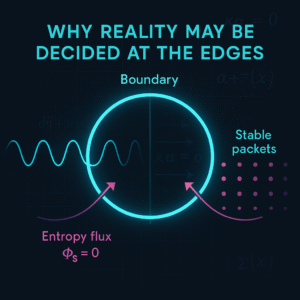
Border Control for Quantum States!

Why Physics Must Ask “Why” Again!

Entropy: The Hidden Architect of Order

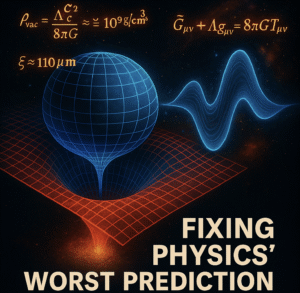
Fixing Physics’ Worst Prediction

×
File 1
Phenomenology and predictions
File 2
Conceptual foundations
File 3
Mathematical rigor and verification
File 4
A technical companion that derives the microphysical inputs
File 5
A critical epistemic analysis
File 6
This paper hardens Route M
File 7
Second Order Closure
View

When Space Itself Has Mass: What We Learned from the Double-Slit Experiment

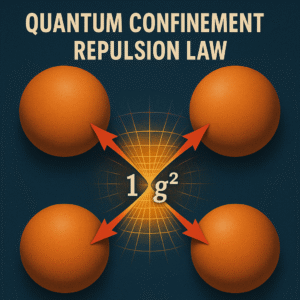
The Quantum Confinement Repulsion Law (QCR Law)

×
File 1
Main Paper
File 2
This companion paper provides the theoretical justification for the main paper’s confinement-based near-contact repulsion law.
View

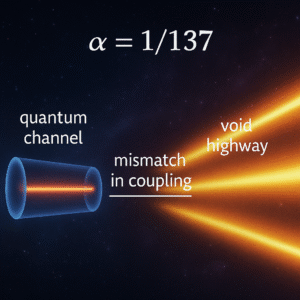
The Fine-Structure Constant: When Quantum Channels Meet the Void

×
File 1
What α measures.
File 2
How value emerges from discrete structure.
File 3
Structure is enforced.
File 4
Electromagnetism is a surface problem
File 5
Coupling’s normalization fixed by interface matching.
File 6
One-bit structure forced by reversible commitment
File 7
Second Order Closure
View

VERSF: From Quantum Foam to Gravity: How Entropy Shapes the Universe

Physics Rewritten: Why the Standard Model Works – and What It’s Been Hiding

×
File 1
Main Document
File 2
Summary Document
View

Quantum Foam: The Flickering Boundary Between Possibility and Reality

×
File 1
Main Paper
File 2
Summary Paper
View

When Time Switches On: How Information Creates the Flow of Moments

The Information Engine: Why the Universe Runs Like a Perfect Computer

×
File 1
Summary Paper
File 2
Main Paper
View

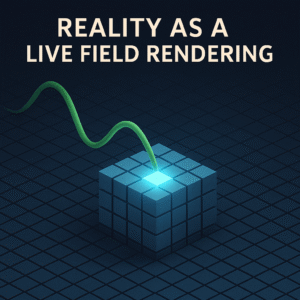
The φ-Field as the Game Engine of Reality

×
File 1
Full Paper
File 2
Summary
View

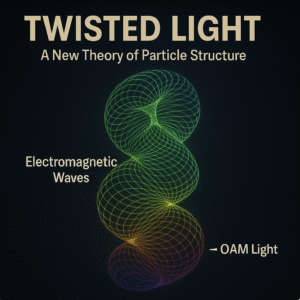
Twisted Light: A New Theory of Particle Structure

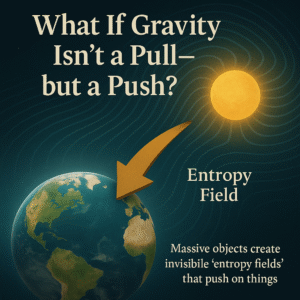
What If Gravity Isn’t a Pull—but a Push?

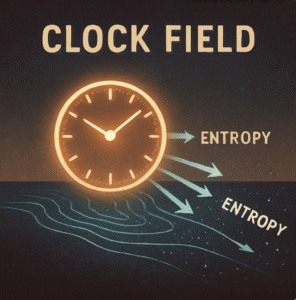
What If Time Isn’t What We Think It Is?

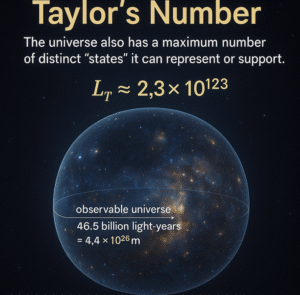
The Computational Boundary of Physical Reality

×
File 1
Main Paper
File 2
Companion Paper - To show that Taylor's Number is the holographic entropy bound reframed — and that the reframing, not the number, is where the original work is.
View

Beneath Time – The Superposition Foundation of Reality

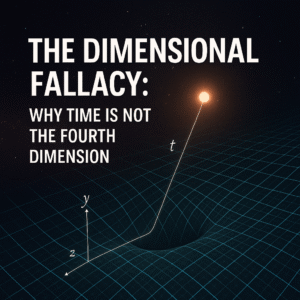
The Dimensional Fallacy: Why Time Is Not the Fourth Dimension

Rethinking Chemistry Through the Lens of Entropy

VERSF 2.0

Introducing VERSF

All research papers and documents are licensed under a Creative Commons Attribution 4.0 International License.
Please credit the source when quoting or reusing.